


















workers' compensation for contractors
Protect the People Who Build Your Business
WORKERS’ COMP • WA • OR • ID
workers' compensation for contractors
Protect the People Who Build Your Business
WORKERS’ COMP • WA • OR • ID
Workers’ compensation helps protect your employees and your construction business when a workplace injury or occupational illness occurs. JC Family Insurance helps contractors understand state requirements, classify employees correctly and secure coverage built around the work they actually perform.
✓ MEDICAL EXPENSES
✓ LOST WAGES
✓ DISABILITY BENEFITS
✓ EMPLOYER LIABILITY
Contractor-focused guidance • SERVING WASHINGTON, OREGON & IDAHO • accurate classifications
Construction Injuries Can Disrupt the Entire Business
HIGH-RISK WORK REQUIRES SERIOUS PROTECTION

Construction employees work around tools, vehicles, ladders, heavy materials and changing jobsite conditions. Even a careful and experienced crew can experience an injury that creates medical expenses, lost income and significant costs for the employer.
Falls & Ladder Injuries
Falls from ladders, scaffolding, roofs and elevated work areas can cause severe injuries and extended time away from work.
tools & equipment
Power tools, machinery and mobile equipment can cause cuts, fractures, crushing injuries and other serious accidents.
lifting & Repetitive work
Moving materials and performing repetitive physical tasks can lead to back injuries, strains and occupational conditions.
jobsite & vehicle accidents
Employees may be injured by falling materials, slips, electrical hazards, work vehicles or the activities of other contractors.
ONE injury can affect the entire crew
A serious workplace injury can interrupt projects, reduce productivity and create unexpected expenses. Proper workers’ compensation coverage helps the injured employee receive benefits while allowing the contractor to keep the business moving forward.
KNOW WHEN COVERAGE IS REQUIRED
Does Your Construction Business Need Workers’ Comp?
Coverage requirements depend on where your employees work, how your business is structured and whether the people performing services are legally considered employees. Calling someone an independent contractor—or paying them with a 1099—does not automatically remove the workers’ compensation requirement.
contractor's with employees
Construction businesses with full-time, part-time, seasonal or occasional employees will generally need workers’ compensation coverage. Requirements may begin as soon as the first employee is hired.
subcontractors and 1099 workers
A subcontractor may still be treated as your worker if the legal independent-contractor requirements are not satisfied. Contracts, licenses and 1099 forms alone may not determine the worker’s status.
business owners
Sole proprietors, partners, LLC members and corporate officers may qualify for exemptions depending on the state and business structure. Some owners can elect coverage even when it is not required.
contractors working across state lines
A policy issued in one state may not automatically satisfy another state’s requirements. Contractors should verify coverage before sending employees across state lines or beginning a new project.
Workers’ Compensation Rules Differ by State
oregon
Most Oregon employers with one or more subject workers must purchase workers’ compensation insurance. Certain owners
and other nonsubject workers may qualify for exemptions.
washington
Washington workers’ compensation is generally provided through the Department of Labor & Industries unless the employer is certified to
self-insure. Private workers’ compensation policies are not used as a substitute for Washington L&I coverage.
idaho
Idaho employers with one or more full-time, part-time, seasonal or occasional employees generally must carry workers’ compensation
unless a specific exemption applies.
a 1099 does not automatically make someone independent
Worker classification depends on the actual working relationship and each state’s legal tests. Misclassification can result in unpaid premiums, penalties and responsibility for injury costs.
correct classification matters
Your Workers’ Comp Cost Starts With the Work Your Crew Performs
Workers’ compensation premiums are based largely on employee classifications, payroll and job duties. Construction companies often need multiple class codes because office staff, estimators, drivers and field employees do not share the same workplace risks.
EMPLOYEE JOB DUTIES
Each employee should be classified according to the work they actually perform—not simply the company’s primary trade or job title.
ESTIMATED PAYROLL
The initial premium is generally calculated using estimated payroll for the policy period. Changes in hiring, wages and operations can affect the final cost.
MULTIPLE CONSTRUCTION TRADES
Employees performing roofing, framing, electrical, excavation or other specialized work may require different classifications and rates.
SUBCONTRACTOR RECORDS
Certificates of insurance, licenses, contracts and payment records should be maintained for subcontractors. Uninsured or improperly classified labor may be included during an audit.
THE POLICY IS AUDITED AFTER THE TERN ENDS
At the end of the policy period, the carrier may compare estimated payroll and classifications with the business’s actual records.
Accurate payroll reporting and properly documented subcontractors help prevent unexpected audit charges.
Misclassifying field employees as clerical—or assigning the wrong construction trade—can create serious coverage, premium and audit problems.
contractor-focused workers' comp guidance
get coverage built around your actual operations
Workers’ compensation is not one-size-fits-all. We help construction businesses identify the work employees perform, organize payroll information and coordinate coverage requirements across Oregon, Washington and Idaho.
accurate classifications
We review employee duties and construction operations to help identify the classifications that should be included in the application.
payroll & audit preperation
Clear payroll estimates and organized subcontractor records can help reduce surprises when the policy is audited.
Multi-state guidance
We help contractors understand how hiring employees or performing work across state lines may affect their insurance requirements.
contractor
Coverage coordination
Workers’ compensation can be reviewed alongside general liability, commercial auto, tools and equipment coverage, and contractor bonds.
Washington workers’ compensation is generally provided through Labor & Industries. JC Family Insurance can help coordinate your privately insured
contractor coverages while you maintain
the required Washington L&I account.
Construction Injuries Can Disrupt the Entire Business
HIGH-RISK WORK REQUIRES SERIOUS PROTECTION
Construction employees work around tools, vehicles, ladders, heavy materials and changing jobsite conditions. Even a careful and experienced crew can experience an injury that creates medical expenses, lost income and significant costs for the employer.
Falls & Ladder Injuries
Falls from ladders, scaffolding, roofs and elevated work areas can cause severe injuries and extended time away from work.
tools & equipment
Power tools, machinery and mobile equipment can cause cuts, fractures, crushing injuries and other serious accidents.
lifting & Repetitive work
Moving materials and performing repetitive physical tasks can lead to back injuries, strains and occupational conditions.
jobsite & vehicle accidents
Employees may be injured by falling materials, slips, electrical hazards, work vehicles or the activities of other contractors.
ONE injury can affect the entire crew
A serious workplace injury can interrupt projects, reduce productivity and create unexpected expenses. Proper workers’ compensation coverage helps the injured employee receive benefits while allowing the contractor to keep the business moving forward.
KNOW WHEN COVERAGE IS REQUIRED
Does Your Construction Business Need Workers’ Comp?
Coverage requirements depend on where your employees work, how your business is structured and whether the people performing services are legally considered employees. Calling someone an independent contractor—or paying them with a 1099—does not automatically remove the workers’ compensation requirement.
contractor's with employees
Construction businesses with full-time, part-time, seasonal or occasional employees will generally need workers’ compensation coverage. Requirements may begin as soon as the first employee is hired.
subcontractors and 1099 workers
A subcontractor may still be treated as your worker if the legal independent-contractor requirements are not satisfied. Contracts, licenses and 1099 forms alone may not determine the worker’s status.
business owners
Sole proprietors, partners, LLC members and corporate officers may qualify for exemptions depending on the state and business structure. Some owners can elect coverage even when it is not required.
contractors working across state lines
A policy issued in one state may not automatically satisfy another state’s requirements. Contractors should verify coverage before sending employees across state lines or beginning a new project.
Workers’ Compensation Rules Differ by State
oregon
Most Oregon employers with one or more subject workers must purchase workers’ compensation insurance. Certain owners
and other nonsubject workers may qualify for exemptions.
washington
Washington workers’ compensation is generally provided through the Department of Labor & Industries unless the employer is certified to
self-insure. Private workers’ compensation policies are not used as a substitute for Washington L&I coverage.
idaho
Idaho employers with one or more full-time, part-time, seasonal or occasional employees generally must carry workers’ compensation
unless a specific exemption applies.
a 1099 does not automatically make someone independent
Worker classification depends on the actual working relationship and each state’s legal tests. Misclassification can result in unpaid premiums, penalties and responsibility for injury costs.
correct classification matters
Your Workers’ Comp Cost Starts With the Work Your Crew Performs
Workers’ compensation premiums are based largely on employee classifications, payroll and job duties. Construction companies often need multiple class codes because office staff, estimators, drivers and field employees do not share the same workplace risks.
EMPLOYEE JOB DUTIES
Each employee should be classified according to the work they actually perform—not simply the company’s primary trade or job title.
ESTIMATED PAYROLL
The initial premium is generally calculated using estimated payroll for the policy period. Changes in hiring, wages and operations can affect the final cost.
MULTIPLE CONSTRUCTION TRADES
Employees performing roofing, framing, electrical, excavation or other specialized work may require different classifications and rates.
SUBCONTRACTOR RECORDS
Certificates of insurance, licenses, contracts and payment records should be maintained for subcontractors. Uninsured or improperly classified labor may be included during an audit.
THE POLICY IS AUDITED AFTER THE TERM ENDS
At the end of the policy period, the carrier may compare estimated payroll and classifications with the business’s actual records.
Accurate payroll reporting and properly documented subcontractors help prevent unexpected audit charges.
Misclassifying field employees as clerical—or assigning the wrong construction trade—can create serious coverage, premium and audit problems.
THE POLICY IS AUDITED AFTER THE TERM ENDS
At the end of the policy period, the carrier may compare estimated payroll and classifications with the business’s actual records.
Accurate payroll reporting and properly documented subcontractors help prevent unexpected audit charges.
Misclassifying field employees as clerical—or assigning the wrong construction trade—can create serious coverage, premium and audit problems.
contractor-focused workers' comp guidance
get coverage built around your actual operations
contractor-focused workers' comp guidance
get coverage built around your actual operations
Workers’ compensation is not one-size-fits-all. We help construction businesses identify the work employees perform, organize payroll information and coordinate coverage requirements across Oregon, Washington and Idaho.
Workers’ compensation is not one-size-fits-all. We help construction businesses identify the work employees perform, organize payroll information and coordinate coverage requirements across Oregon, Washington and Idaho.
accurate classifications
We review employee duties and construction operations to help identify the classifications that should be included in the application.
payroll & audit preperation
Clear payroll estimates and organized subcontractor records can help reduce surprises when the policy is audited.
Multi-state guidance
We help contractors understand how hiring employees or performing work across state lines may affect their insurance requirements.
contractor
Coverage coordination
Workers’ compensation can be reviewed alongside general liability, commercial auto, tools and equipment coverage, and contractor bonds.
accurate classifications
We review employee duties and construction operations to help identify the classifications that should be included in the application.
payroll & audit preperation
Clear payroll estimates and organized subcontractor records can help reduce surprises when the policy is audited.
Multi-state guidance
We help contractors understand how hiring employees or performing work across state lines may affect their insurance requirements.
contractor
Coverage coordination
Workers’ compensation can be reviewed alongside general liability, commercial auto, tools and equipment coverage, and contractor bonds.
Washington workers’ compensation is generally provided through Labor & Industries. JC Family Insurance can help coordinate your privately insured
contractor coverages while you maintain the required Washington L&I account.
Washington workers’ compensation is generally provided through Labor & Industries. JC Family Insurance can help coordinate your privately insured
contractor coverages while you maintain the required Washington L&I account.
PROTECT YOUR CREW AND YOUR BUSINESS
Let’s Review Your Workers’ Compensation Needs
Tell us what type of construction work your employees perform, where they work and your estimated payroll. We’ll help determine the next step for your Oregon, Washington or Idaho construction business.
Contractor-focused guidance • SERVING WASHINGTON, OREGON & IDAHO • accurate classifications
PROTECT YOUR CREW AND YOUR BUSINESS
Let’s Review Your Workers’ Compensation Needs
Tell us what type of construction work your employees perform, where they work and your estimated payroll. We’ll help
determine the next step for your Oregon, Washington or Idaho construction business.
Contractor-focused guidance • SERVING WASHINGTON, OREGON & IDAHO • accurate classifications
PROTECT YOUR CREW AND YOUR BUSINESS
Let’s Review Your Workers’ Compensation Needs
Tell us what type of construction work your employees perform, where they work and your estimated payroll. We’ll help
determine the next step for your Oregon, Washington or Idaho construction business.
Contractor-focused guidance • SERVING WASHINGTON, OREGON & IDAHO • accurate classifications
Why Contractors Choose JC Family Insurance
Insurance Built for Contractors, Not Just Businesses
Whether you're just starting your company or managing multiple crews across Washington, Oregon, or Idaho, your insurance should work as hard as you do. We combine contractor expertise with modern technology to make quoting, buying, and managing your policies faster and easier.
🏗️ Contractor Specialists
Construction insurance is our specialty. We understand contractor licensing requirements, certificates of insurance, additional insured requests, commercial auto, surety bonds, workers' compensation, and the coverages contractors need to stay compliant and win more jobs.
🔍 Multiple Companies. More Choices.
As an independent insurance agency, we compare coverage and pricing from multiple insurance companies—not just one. That means you can review your options and choose the policy that best fits your business and budget.
⚡ Shop, Select & Buy Online
Request a quote, upload documents, sign electronically, make secure payments, and complete more of the insurance process online—without unnecessary office visits.
📂 24/7 Online Policy Center
Access your policies anytime through our secure Policy Center. View documents, download certificates, request policy changes, make payments, and keep everything organized in one convenient place.
💳 Easy Payments & Premium Financing
Pay your way with secure online payments and flexible premium financing options. Monthly payment plans, convenient payment links, and mobile-friendly tools help make managing your insurance simple.
📚 Free Contractor Resources
We're more than an insurance agency. Our Contractor Resource Center includes licensing guides, contractor education, safety resources, industry updates, and our popular Contractor Nightmares series designed to help you avoid costly mistakes before they happen.
The JC Family Insurance Advantage
Modern tools. More options. Real contractor expertise.

Typical Insurance Experience
Limited Market Options
Phone-First & Fragmented Service
Documents Buried In Emails
Limited Payment Flexibility
Generalist Insurance Approach
Limited Contractor Education & Resources
JC Family Insurance
Compare Available Quote Options From Multiple Carriers
24/7 Digital Tools + Direct Human Support
Secure Online Policy & Document Center
Online Payments, Financing & Carrier Payment Access
Contractor-Focused Insurance & Surety Specialists
Licensing Guides, Bond Education, Contractor Resources & Real-World Claim Lessons
Get a Contractor Insurance Quote
Whether you're a new contractor or reviewing your current coverage, we
can help you compare options and identify potential coverage gaps.
The JC Family Insurance Advantage
Modern tools. More options. Real contractor expertise.
Typical Insurance Experience
Limited Market Options
Phone-First & Fragmented Service
Documents Buried In Emails
Limited Payment Flexibility
Generalist Insurance Approach
Limited Contractor Education & Resources
JC Family Insurance
Compare Available Quote Options From Multiple Carriers
24/7 Digital Tools + Direct Human Support
Secure Online Policy & Document Center
Online Payments, Financing & Carrier Payment Access
Contractor-Focused Insurance & Surety Specialists
Licensing Guides, Bond Education, Contractor Resources & Real-World Claim Lessons
Get a Contractor Insurance Quote
Whether you're a new contractor or reviewing your current coverage, we
can help you compare options and identify potential coverage gaps.
The JC Family Insurance Advantage
Modern tools. More options. Real contractor expertise.
Typical Insurance Experience
Limited Market Options
Phone-First & Fragmented Service
Documents Buried In Emails
Limited Payment Flexibility
Generalist Insurance Approach
Limited Contractor Education & Resources
JC Family Insurance
Compare Available Quote Options From Multiple Carriers
24/7 Digital Tools + Direct Human Support
Secure Online Policy & Document Center
Online Payments, Financing & Carrier Payment Access
Contractor-Focused Insurance & Surety Specialists
Licensing Guides, Bond Education, Contractor Resources & Real-World Claim Lessons
Get a Contractor Insurance Quote
Whether you're a new contractor or reviewing your current coverage, we
can help you compare options and identify potential coverage gaps.
Explore Our Contractor Nightmares Series
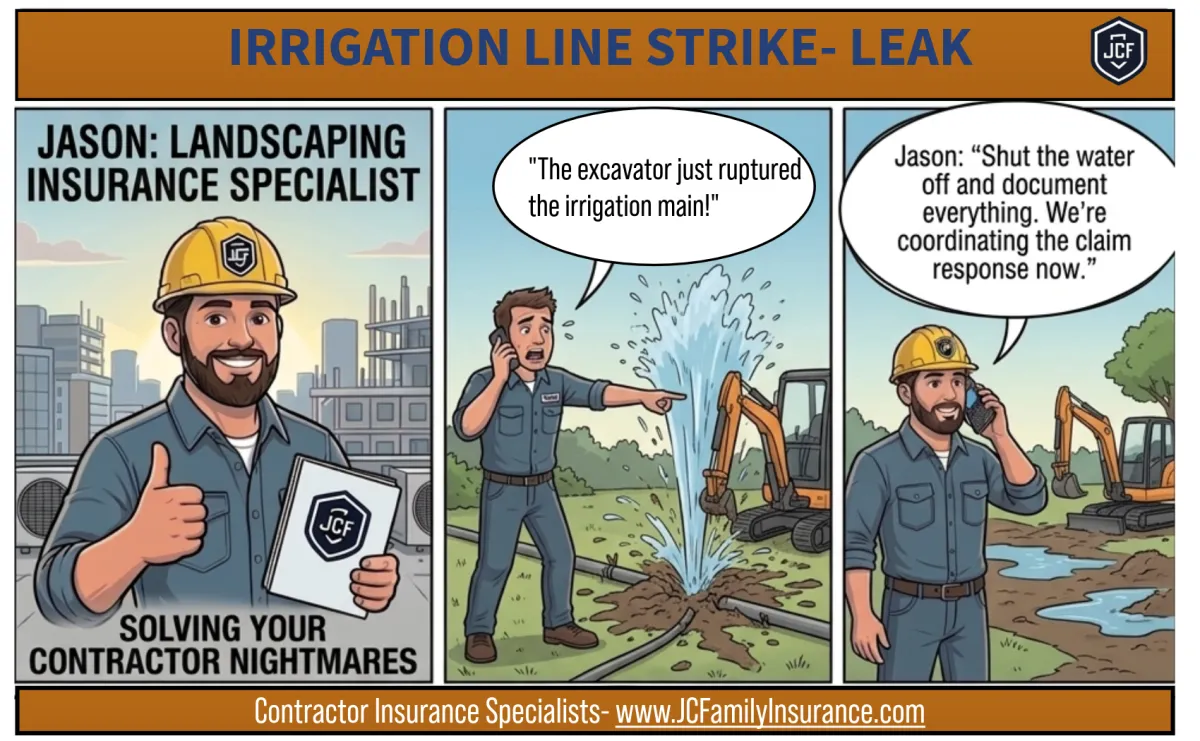
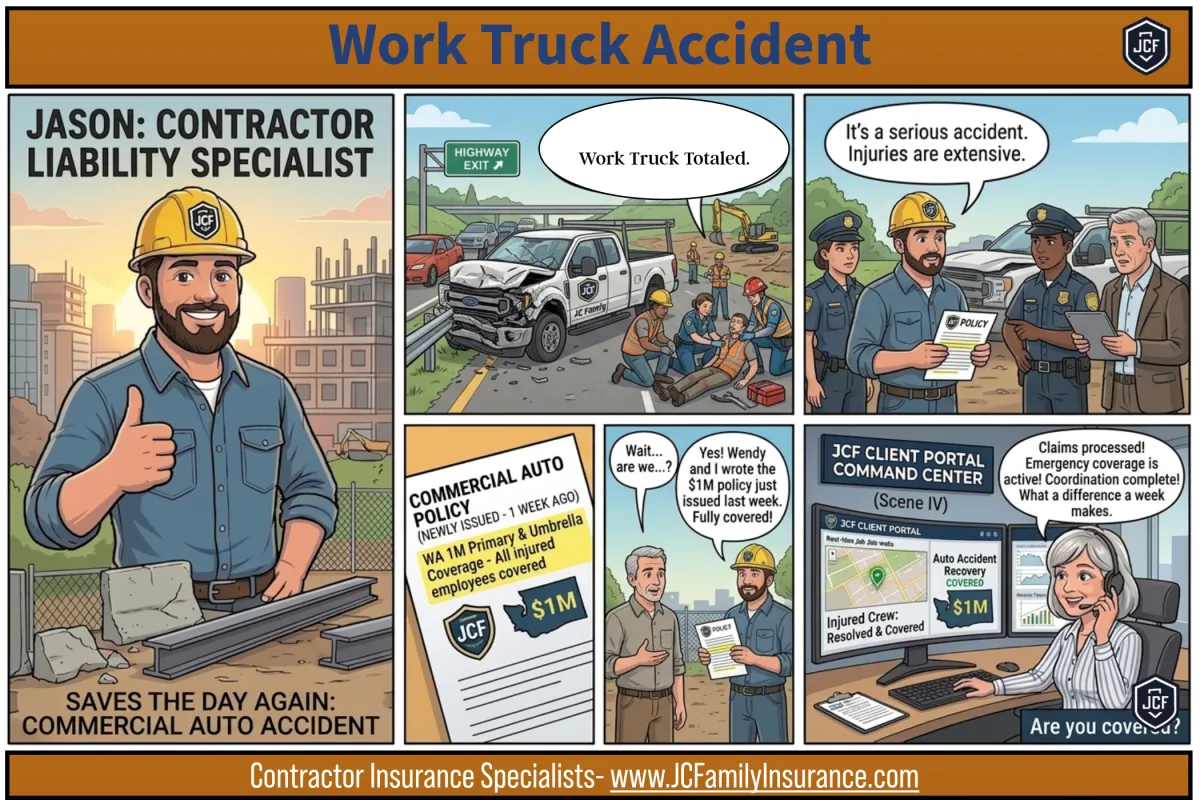
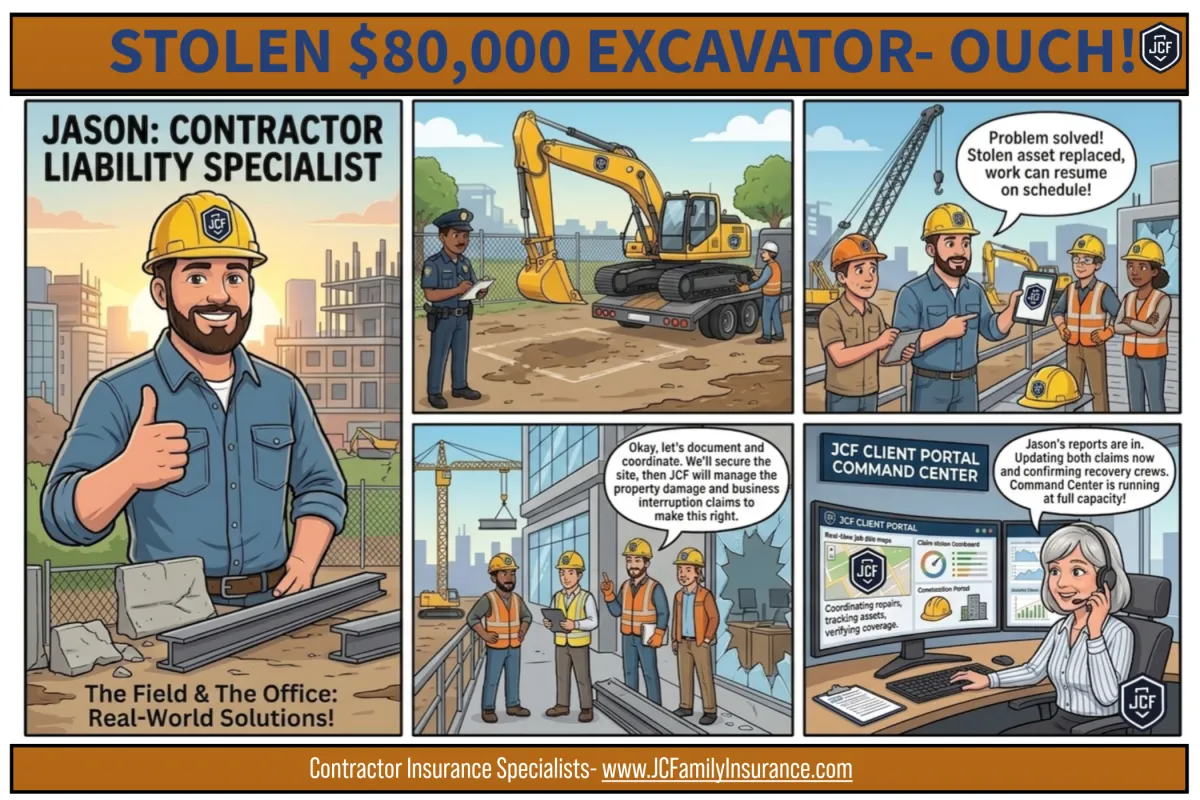
Common Risks Contractors Face — Real-World Claim Scenarios Explained in Our Contractor Nightmares Series
Irrigation Line
Strike
Work Truck
Accident
Stolen
Excavator
OSHA
Citation
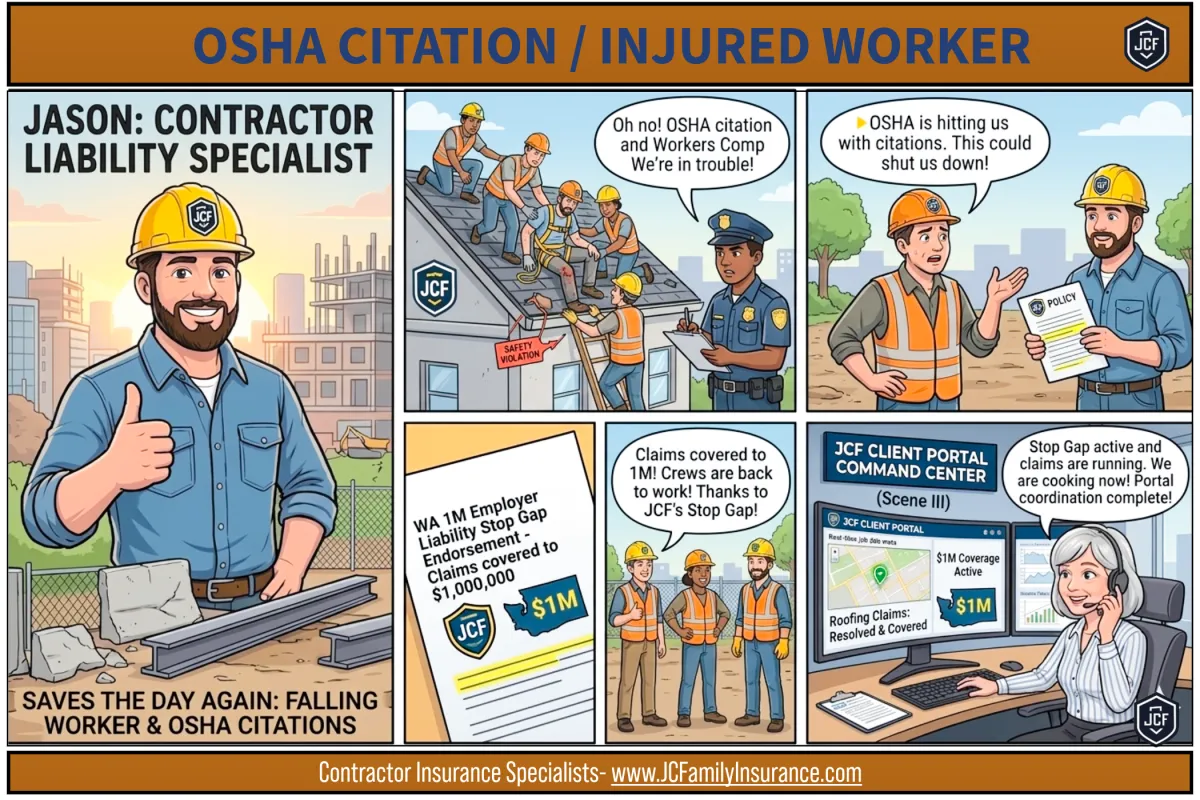
BAD
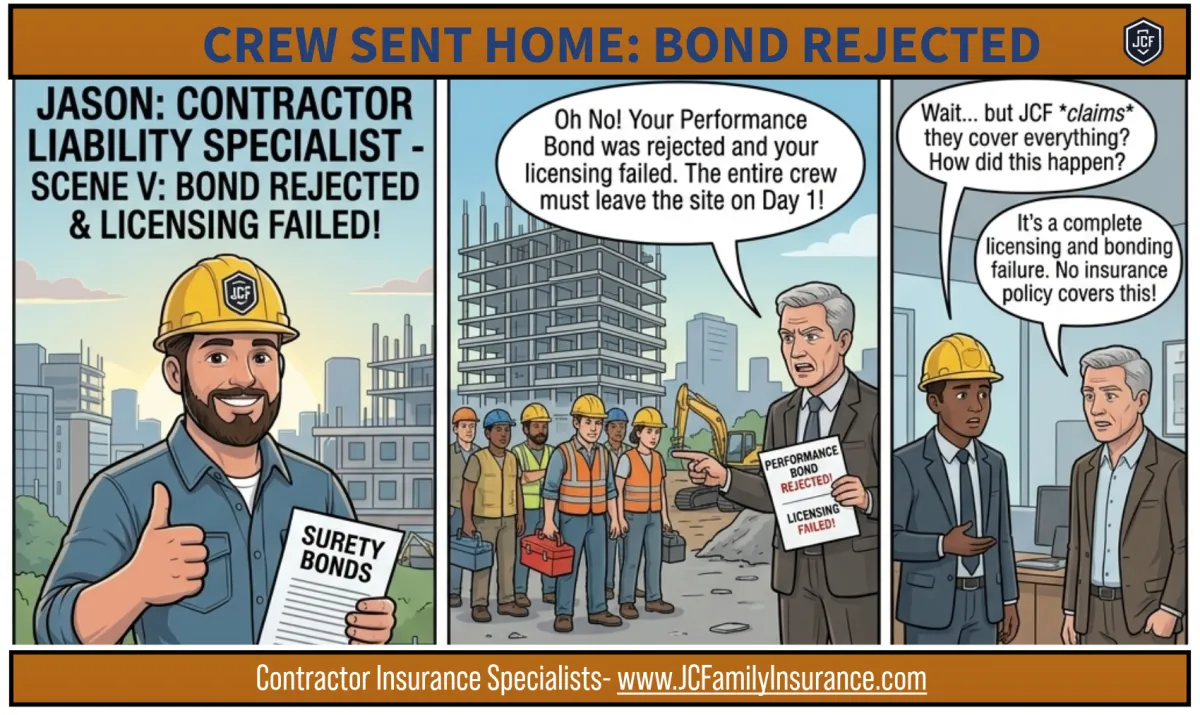
Certificate
Bond
Rejected
Burst Pipe
Flood Claim
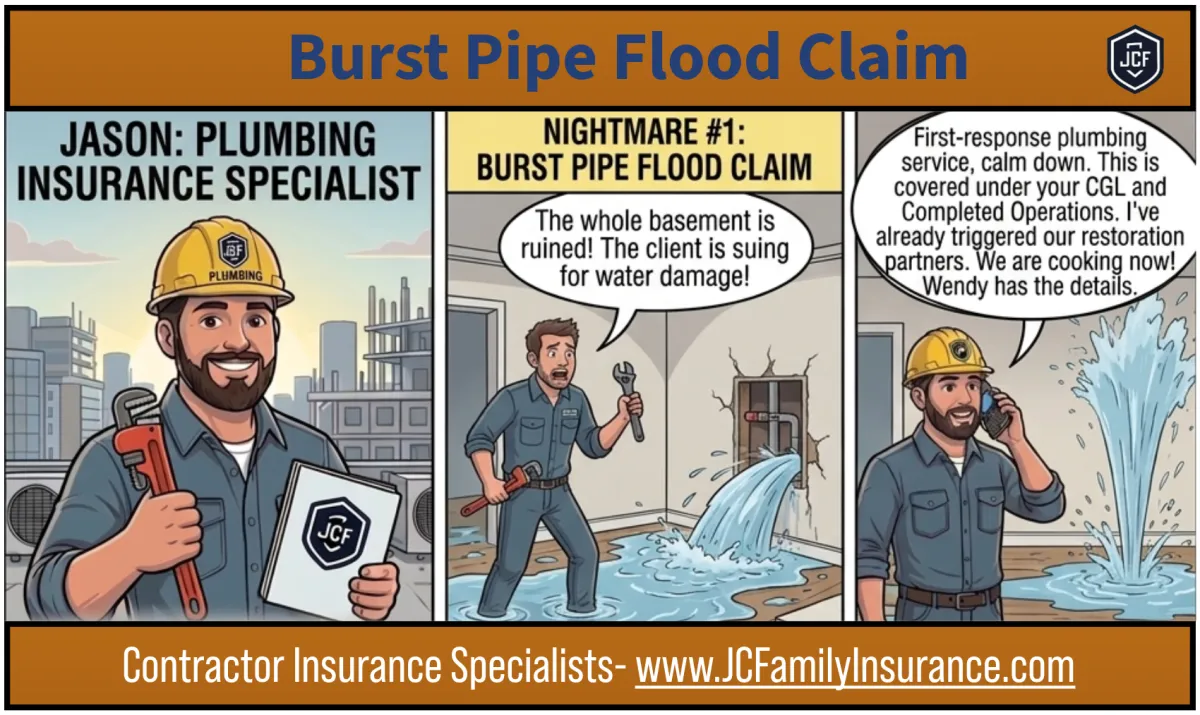
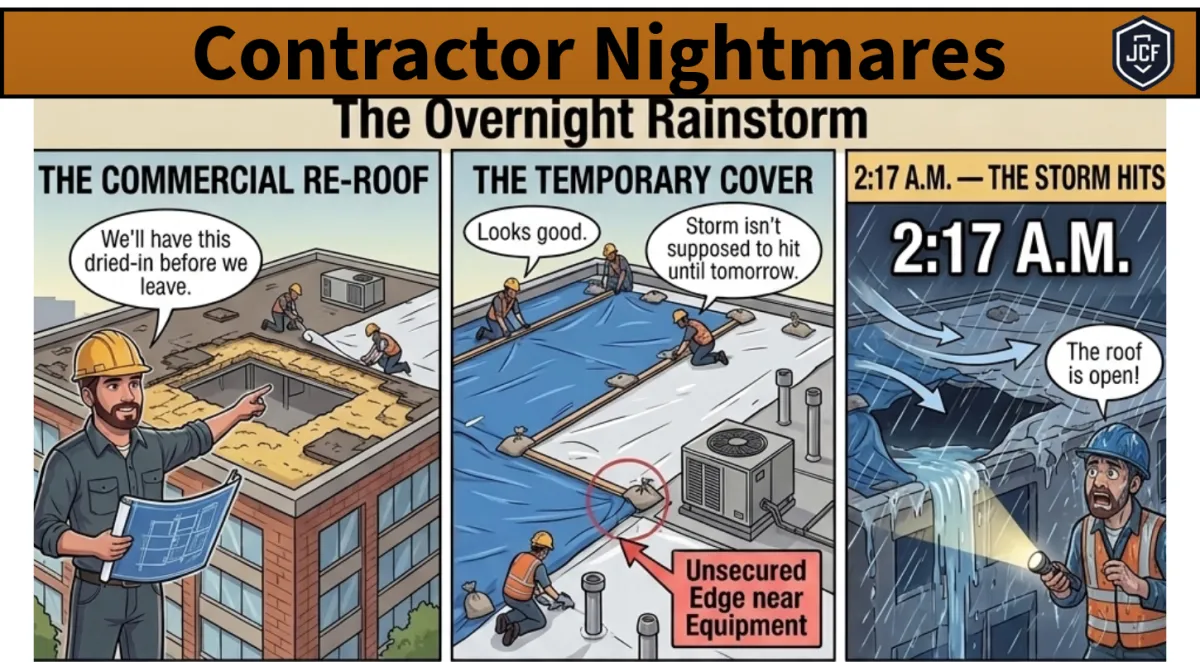
The Overnight Rainstorm
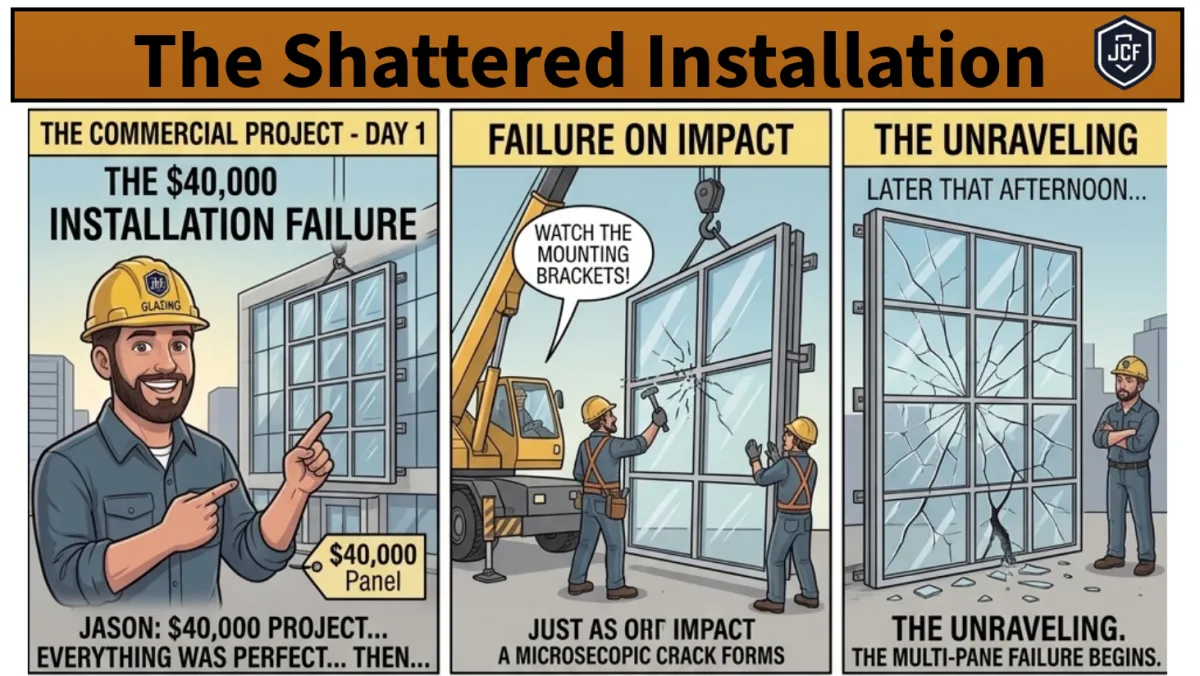
The Shattered
Installation
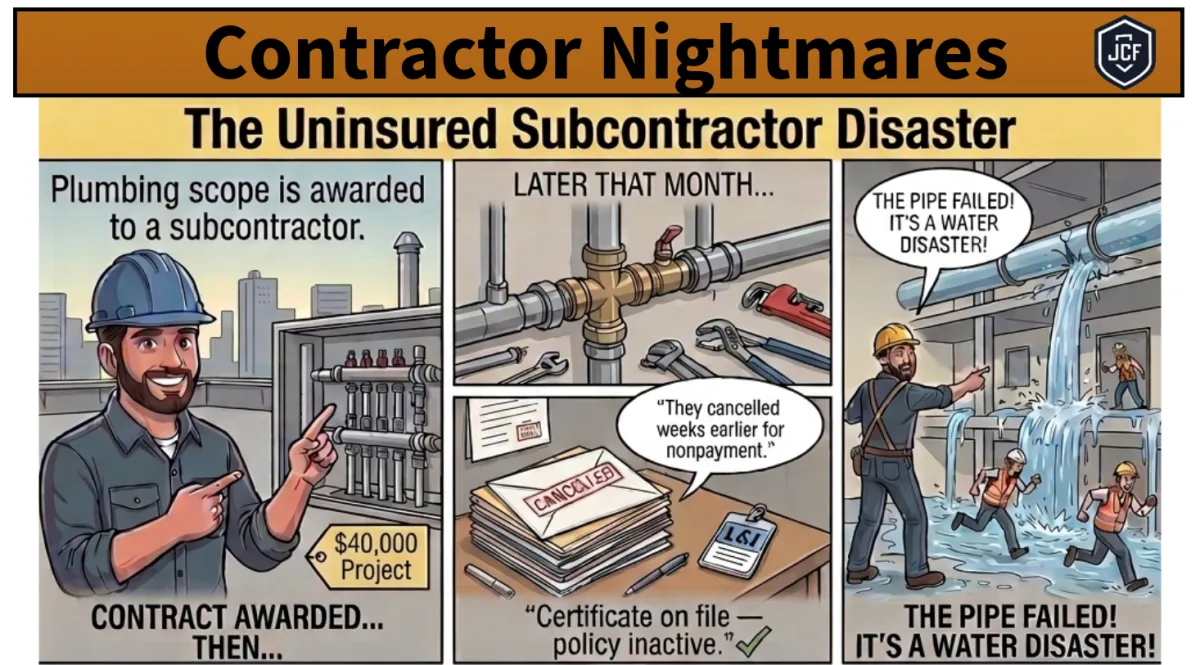
The Uninsured
Subcontrator
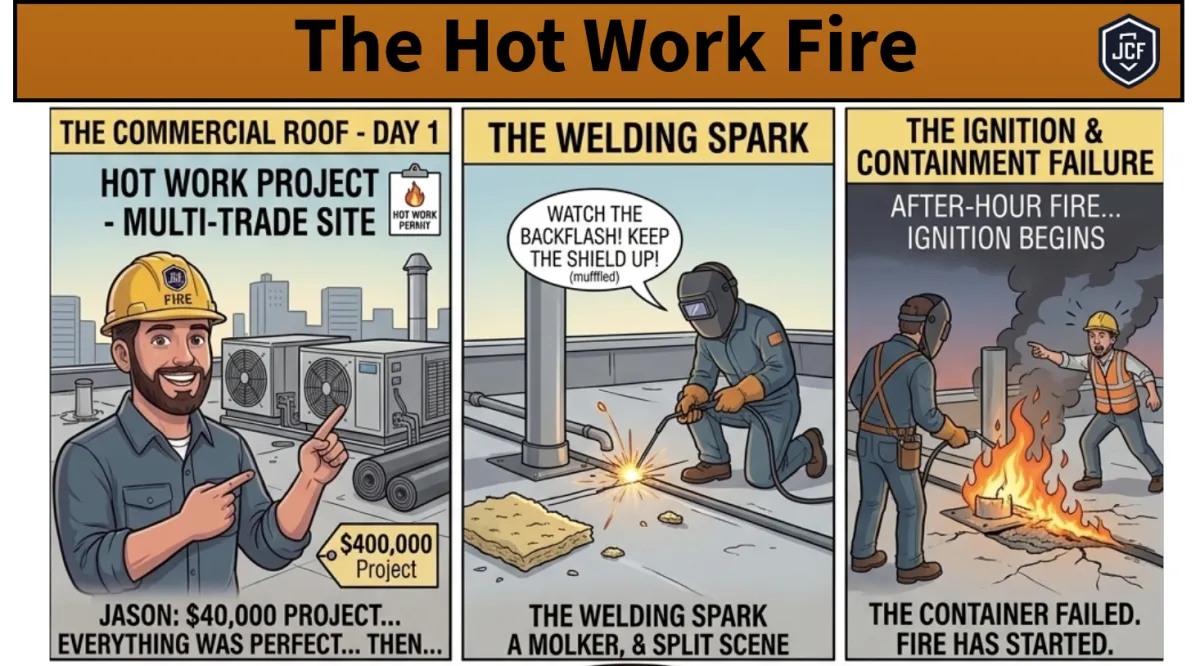
The Hot Work
Fire
Refrigeration Line
Leak
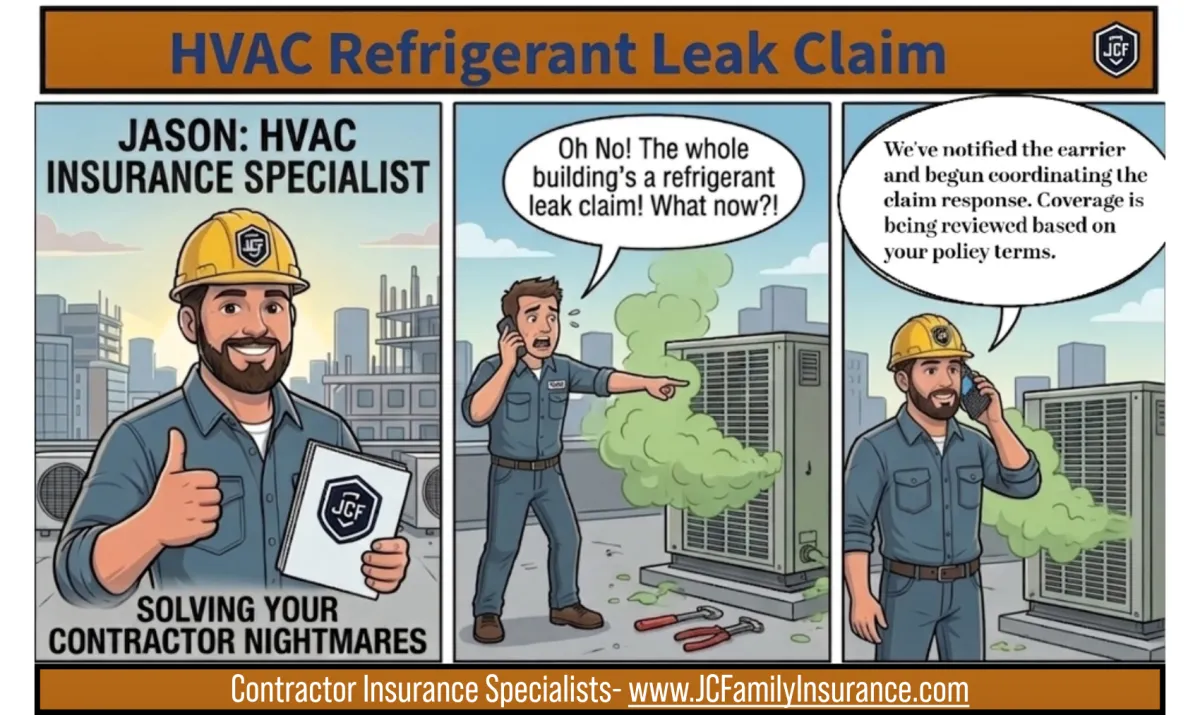
COMING SOON
COMING SOON
COMING SOON
The Loose Connection
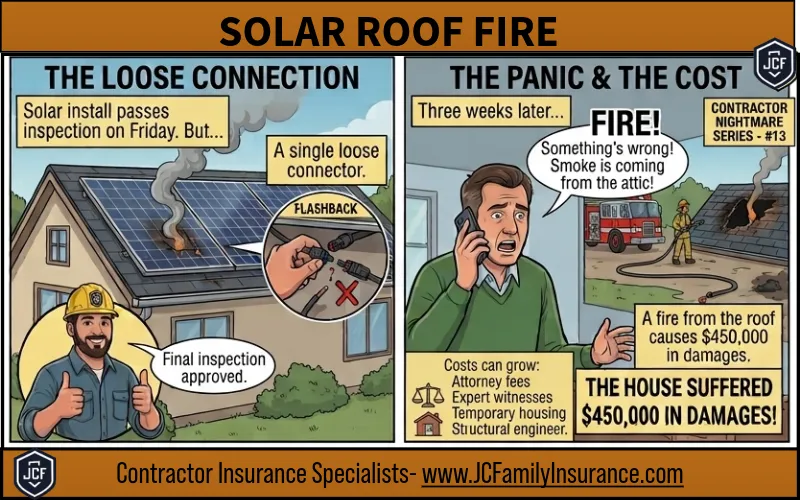
COMING SOON
COMING SOON
Find Insurance Resources for Your Contractor Trade
Find Insurance Resources for Your Contractor Trade
Contractor insurance is not one-size-fits-all. Select your trade below to explore common coverage needs, industry-specific risks, and insurance considerations for the work your business performs.
Contractor insurance is not one-size-fits-all. Select your trade below to explore common coverage needs, industry-specific risks, and insurance considerations for the work your business performs.
Explore Contractor Insurance By Trade
Find insurance solutions tailored to your trade. We help contractors across Washington, Oregon, and Idaho secure general liability, commercial auto, workers compensation, inland marine, and contractor bond coverage.
Don't see your trade listed? We insure nearly every licensed contractor trade in Washington, Oregon & Idaho. Get a fast quote today.
Don't see your trade? We insure nearly every licensed construction trade in the Pacific NW - Serving All of Washington, Oregon & Idaho.
Our Partner Insurance Providers
Insurance Markets & Industry Partners




























































































Common Questions Answered
Answers to Frequently Asked Questions
Do contractors need workers’ compensation insurance?
Contractors with employees will generally need workers’ compensation coverage, although requirements and owner exemptions vary by state and business structure.
Are subcontractors and 1099 workers automatically exempt?
No. A 1099 form or subcontractor agreement does not automatically establish independent-contractor status. The actual working relationship must satisfy the applicable state requirements.
How is a contractor’s workers’ comp premium calculated?
Premium is generally based on employee classifications, payroll, applicable rates, experience modification and other underwriting factors.
Can one employee have multiple workers’ comp classifications?
Sometimes, but classification rules vary. Records must clearly support any division of payroll, and some construction classifications do not allow payroll splitting.
Can an Oregon or Idaho policy cover employees working in Washington?
Not automatically. Washington generally uses its state-administered L&I system, so contractors should verify requirements before employees begin working there.
What information is needed for a workers’ comp quote?
Commonly requested information includes employee job duties, payroll by classification, work locations, subcontractor costs, prior coverage and loss history.
Do I need workers’ comp for part-time or seasonal employees?
Possibly. Part-time, temporary, seasonal and occasional workers may still be covered by state workers’ compensation requirements.
Can business owners include themselves in coverage?
Depending on the state and business structure, certain owners and officers may be exempt, required to participate or permitted to elect coverage.
Why are workers’ comp policies audited?
The audit compares estimated payroll, classifications and subcontractor information with the business’s actual records for the completed policy term.
Does workers’ compensation cover subcontractors?
A contractor’s policy does not automatically insure every subcontractor. However, uninsured or improperly classified subcontractors may create claims, audit charges or legal responsibility.
Does workers’ compensation cover injuries to the business owner?
Only if the owner is included or has elected coverage where permitted. Owner treatment depends on the state, entity type and policy structure.
What happens if payroll increases during the year?
The final audit may produce an additional premium if actual payroll exceeds the original estimate. Contractors should report major operational or payroll changes during the policy term.
Want to work with us?
Get contractor insurance, bonds, and certificates from a local team that understands how your business works.