

















HIGHER LIMITS FOR LARGER CONTRACTOR RISKS
CONTRACTOR EXCESS LIABILITY INSURANCE
JCF CONTRACTOR INSURANCE
Add liability limits above qualifying underlying policies for severe claims, larger projects and contracts requiring more protection.
✓ GENERAL LIABILITY, excess liability & bONDS
✓ COMMERCIAL AUTO & wORKERS' COMP
✓ TOOLS, EQUIPMENT & PROJECT COVERAGE
✓ Certificates & CONTRACT SUPPORT
Contractor-focused guidance • helping contractors throughout washington, oregon & IDaho • Multiple coverage options
WHEN $1 MILLION IN LIABILITY COVERAGE ISN’T ENOUGH
WHEN $1 MILLION IN LIABILITY COVERAGE ISN’T ENOUGH
A serious injury, major property-damage claim or completed-operations loss can exceed the limits of a contractor’s underlying liability policy. Contractor excess liability insurance can provide an additional layer of protection after the applicable underlying limit has been exhausted.
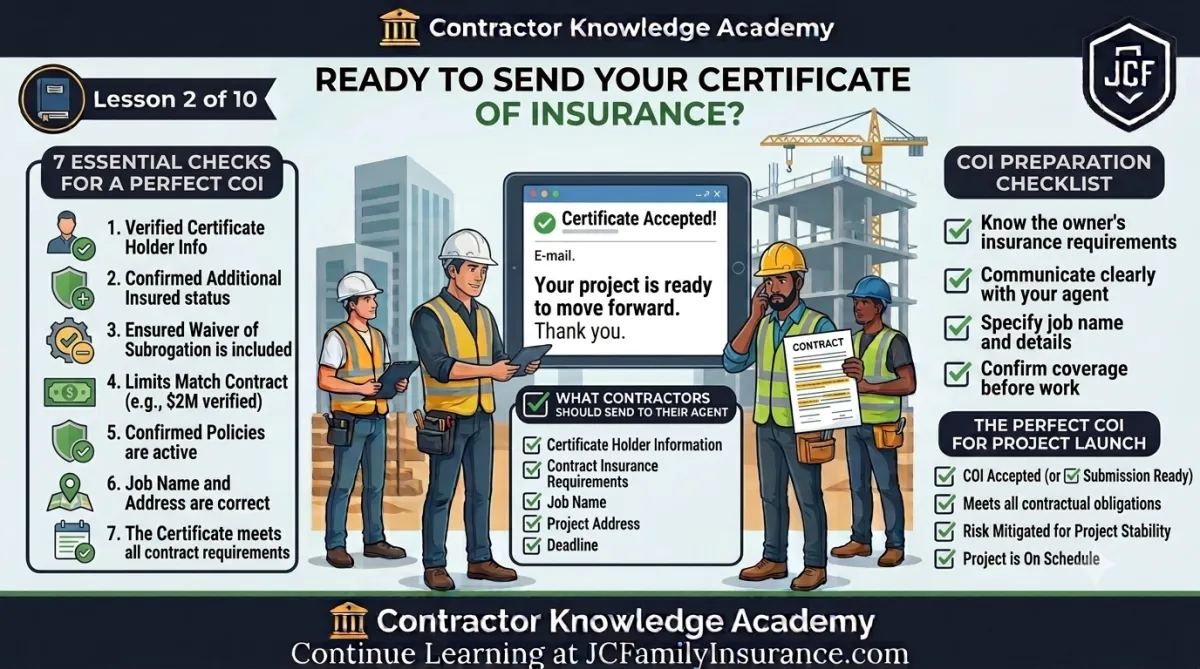
Excess coverage may also help contractors satisfy higher insurance limits required by general contractors, project owners, municipalities and commercial customers.
higher liability limits
Adds limits above qualifying underlying liability coverage for covered claims.
contract requirements
May help satisfy projects requiring $2 million, $5 million or other higher liability limits.
severe claim protection
Provides an additional financial layer for qualifying claims that exceed underlying policy limits.
WHAT DOES CONTRACTOR EXCESS LIABILITY COVER?
WHAT DOES CONTRACTOR EXCESS LIABILITY COVER?
Contractor excess liability insurance adds limits above specified underlying liability policies. When a qualifying covered claim exhausts the underlying policy limit, the excess policy may provide additional coverage up to its own limit.
general liability
Additional limits for qualifying bodily injury, property damage and completed-operations claims.
commercial auto liability
May extend above qualifying commercial auto liability coverage when included in the excess policy schedule.
employers liability
May provide additional limits above qualifying employers liability coverage, subject to the policy terms.
completed operations
Additional protection for qualifying claims arising after contracted work has been completed.
Important: Excess liability does not automatically cover every policy or exposure. Each underlying policy must be specifically scheduled, and exclusions may differ from the underlying coverage.
when contractors need higher limits
when contractors need higher limits
Contractors may need excess liability insurance when project requirements or serious loss exposures exceed the limits provided by their underlying policies. The appropriate limit depends on the work performed, contract requirements and scheduled underlying coverage.
Contractors may need excess liability insurance when project requirements or serious loss exposures exceed the limits provided by their underlying policies. The appropriate limit depends on the work performed, contract requirements and scheduled underlying coverage.
larger contracts
General contractors, project owners and municipalities may require liability limits above the standard $1 million per occurrence.
higher-risk operations
Structural work, roofing, excavation, demolition and other hazardous operations can increase the potential severity of a claim.
commercial auto exposure
Multiple work vehicles, heavy trucks or frequent driving may create liability losses capable of exceeding commercial auto limits.
completed operations risk
Injury or property damage discovered after a project is finished can result in substantial claims involving completed work.
Contract requirements commonly request $2 million, $5 million or higher total liability limits—but the underlying and excess policies must be coordinated correctly.
EXCESS LIABILITY Vs UMBRELLA INSURANCE
excess liability
- Adds limits above specifically scheduled underlying policies
- Often follows many terms and exclusions of the underlying coverage
- Generally does not broaden coverage automatically
- May apply only to the policies listed in the excess schedule
commercial umbrella
- Can provide limits above multiple scheduled liability policies
- May include broader terms or limited coverage not provided underneath
- May involve a self-insured retention for certain covered claims
- Still contains its own exclusions, conditions and coverage restrictions
Important: An “umbrella” is not automatically broader than an “excess” policy. Review the covered underlying policies, endorsements, exclusions and required limits before relying on either form.
NOT SURE WHICH POLICY YOUR CONTRACT REQUIRES?
Send us the insurance requirements and we’ll help review the requested limits and coverage structure.
EXCESS LIABILITY Vs UMBRELLA INSURANCE
excess liability
- Adds limits above specifically scheduled underlying policies
- Often follows many terms and exclusions of the underlying coverage
- Generally does not broaden coverage automatically
- May apply only to the policies listed in the excess schedule
commercial umbrella
- Can provide limits above multiple scheduled liability policies
- May include broader terms or limited coverage not provided underneath
- May involve a self-insured retention for certain covered claims
- Still contains its own exclusions, conditions and coverage restrictions
Important: An “umbrella” is not automatically broader than an “excess” policy. Review the covered underlying policies, endorsements, exclusions and required limits before relying on either form.
NOT SURE WHICH POLICY YOUR CONTRACT REQUIRES?
Send us the insurance requirements and we’ll help review the requested limits and coverage structure.
Why Contractors Choose JC Family Insurance
Insurance Built for Contractors, Not Just Businesses
Whether you're just starting your company or managing multiple crews across Washington, Oregon, or Idaho, your insurance should work as hard as you do. We combine contractor expertise with modern technology to make quoting, buying, and managing your policies faster and easier.
🏗️ Contractor Specialists
Construction insurance is our specialty. We understand contractor licensing requirements, certificates of insurance, additional insured requests, commercial auto, surety bonds, workers' compensation, and the coverages contractors need to stay compliant and win more jobs.
🔍 Multiple Companies. More Choices.
As an independent insurance agency, we compare coverage and pricing from multiple insurance companies—not just one. That means you can review your options and choose the policy that best fits your business and budget.
⚡ Shop, Select & Buy Online
Request a quote, upload documents, sign electronically, make secure payments, and complete more of the insurance process online—without unnecessary office visits.
📂 24/7 Online Policy Center
Access your policies anytime through our secure Policy Center. View documents, download certificates, request policy changes, make payments, and keep everything organized in one convenient place.
💳 Easy Payments & Premium Financing
Pay your way with secure online payments and flexible premium financing options. Monthly payment plans, convenient payment links, and mobile-friendly tools help make managing your insurance simple.
📚 Free Contractor Resources
We're more than an insurance agency. Our Contractor Resource Center includes licensing guides, contractor education, safety resources, industry updates, and our popular Contractor Nightmares series designed to help you avoid costly mistakes before they happen.
The JC Family Insurance Advantage
Modern tools. More options. Real contractor expertise.
Typical Insurance Experience
Limited Market Options
Phone-First & Fragmented Service
Documents Buried In Emails
Limited Payment Flexibility
Generalist Insurance Approach
Limited Contractor Education & Resources
JC Family Insurance
Compare Available Quote Options From Multiple Carriers
24/7 Digital Tools + Direct Human Support
Secure Online Policy & Document Center
Online Payments, Financing & Carrier Payment Access
Contractor-Focused Insurance & Surety Specialists
Licensing Guides, Bond Education, Contractor Resources & Real-World Claim Lessons
Get a Contractor Insurance Quote
Whether you're a new contractor or reviewing your current coverage, we can help you
compare options and identify potential coverage gaps.
Explore Our Contractor Nightmares Series
Common Risks Contractors Face — Real-World Claim Scenarios Explained in Our Contractor Nightmares Series
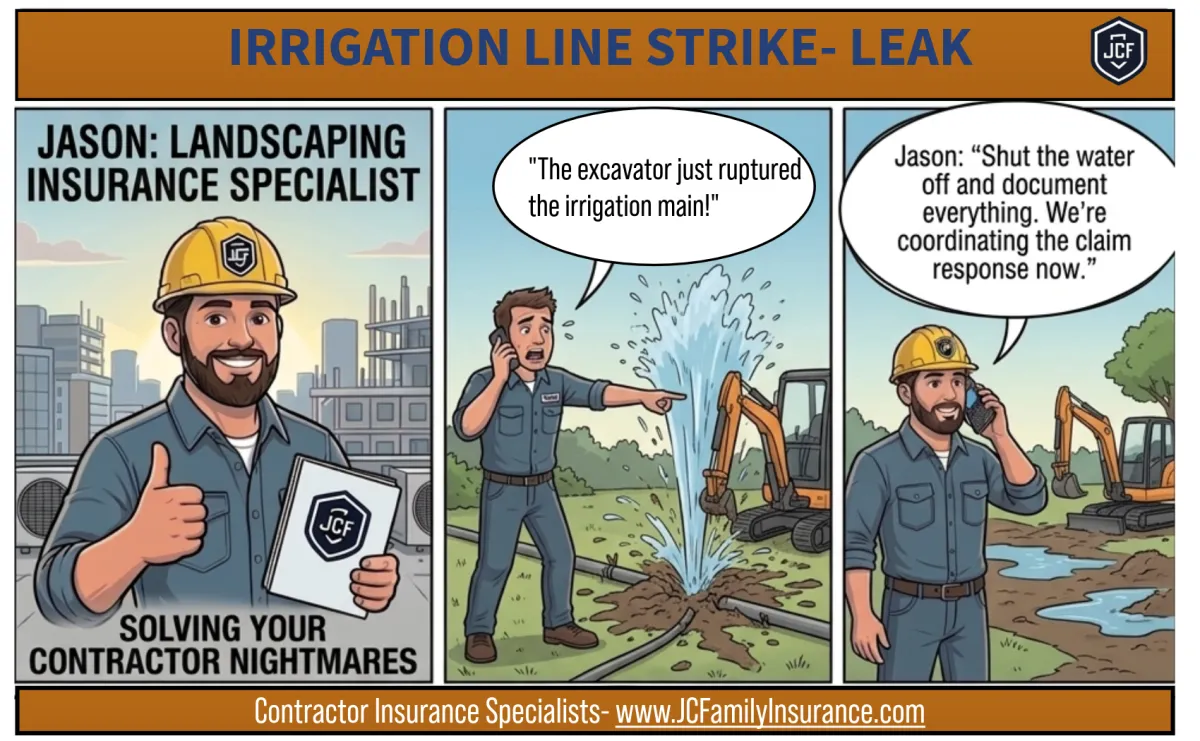
Irrigation Line
Strike
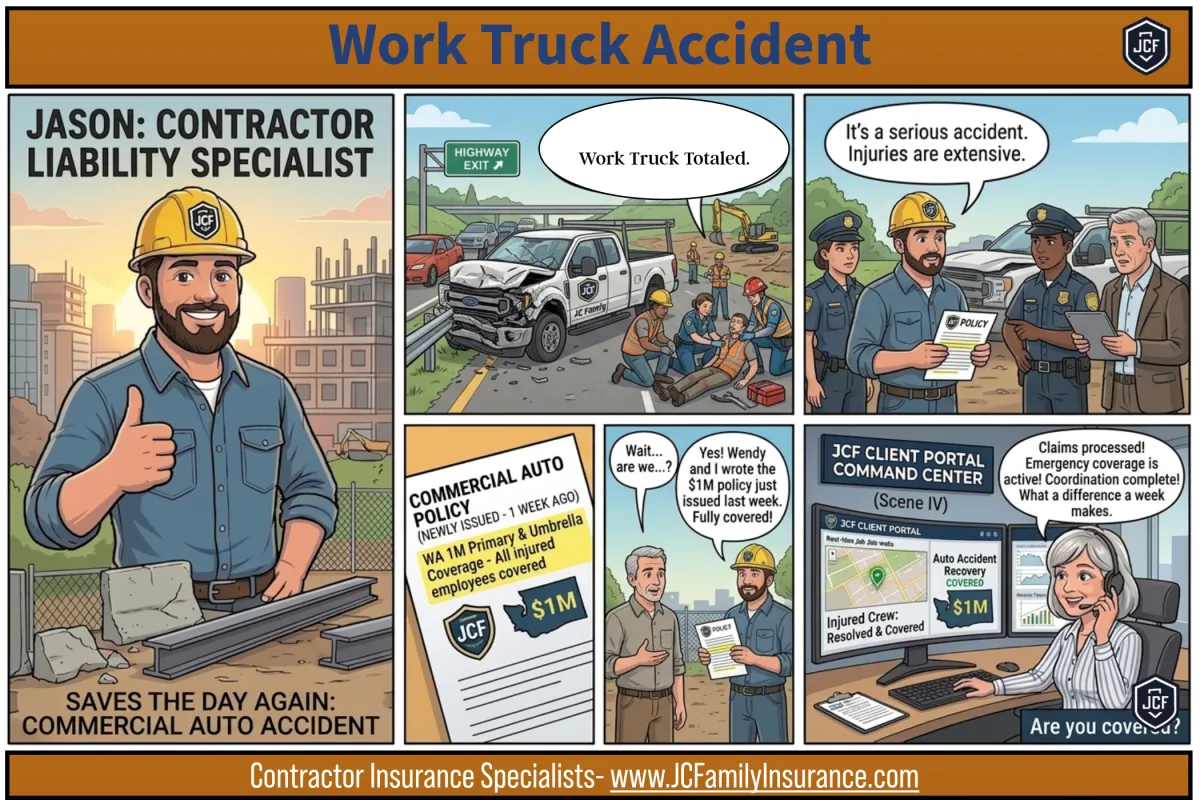
Work Truck
Accident
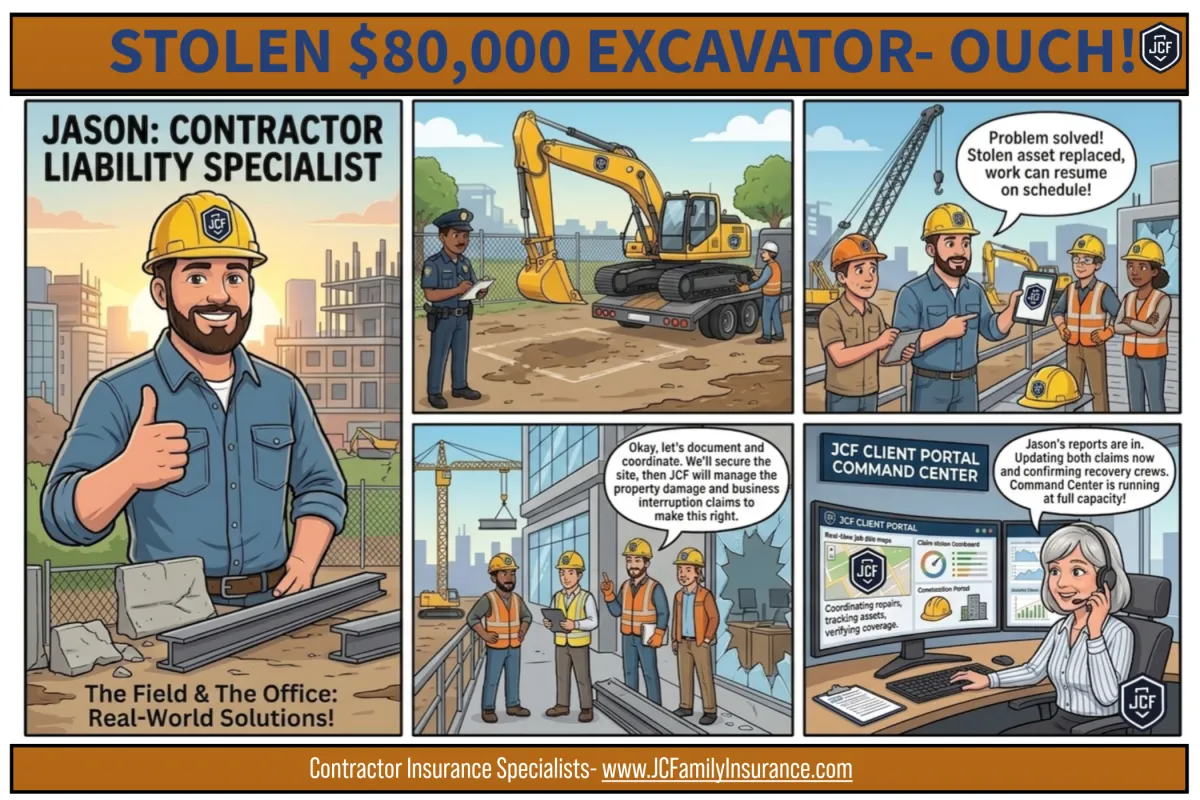
Stolen
Excavator
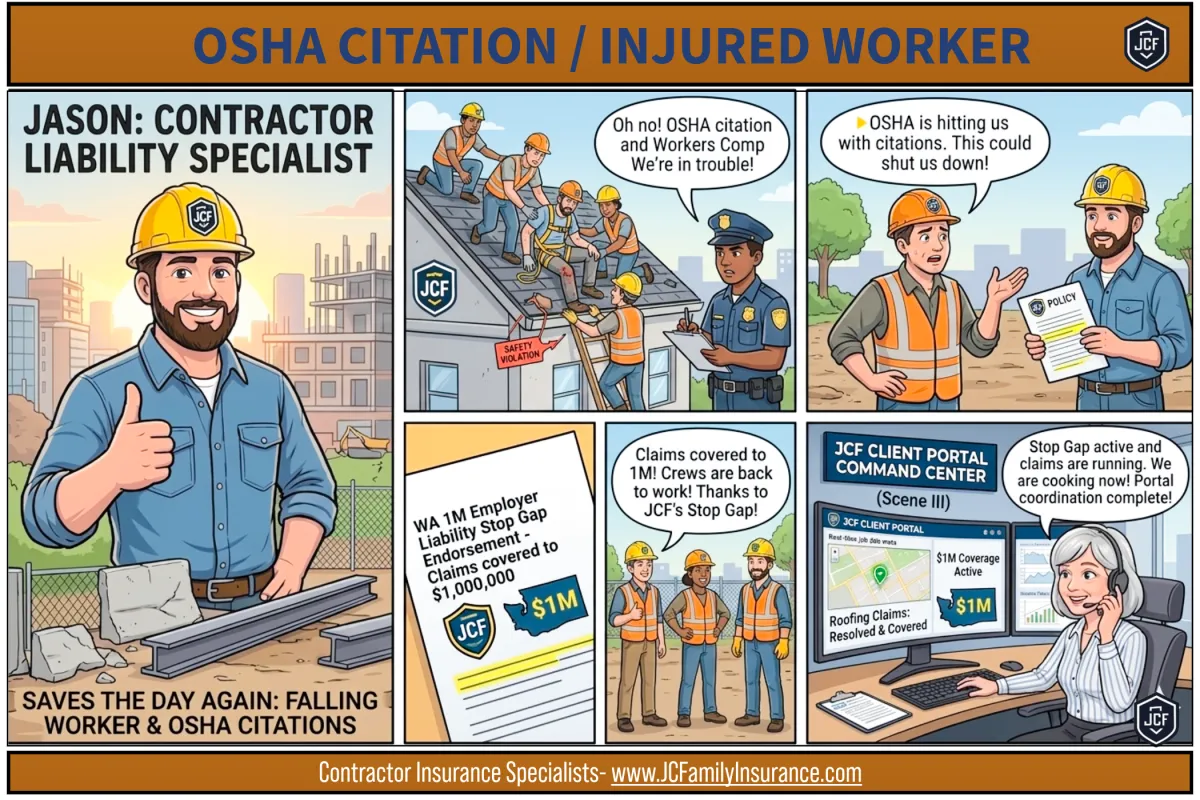
OSHA
Citation
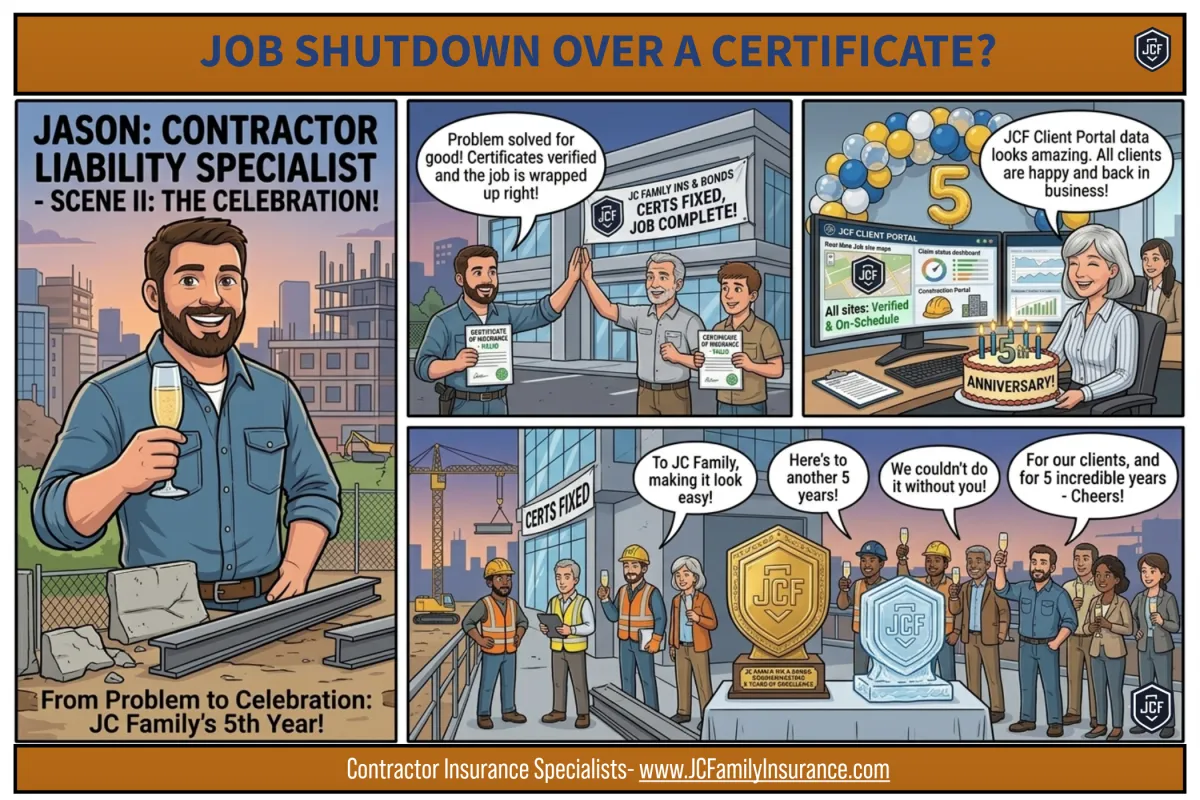
BAD
Certificate
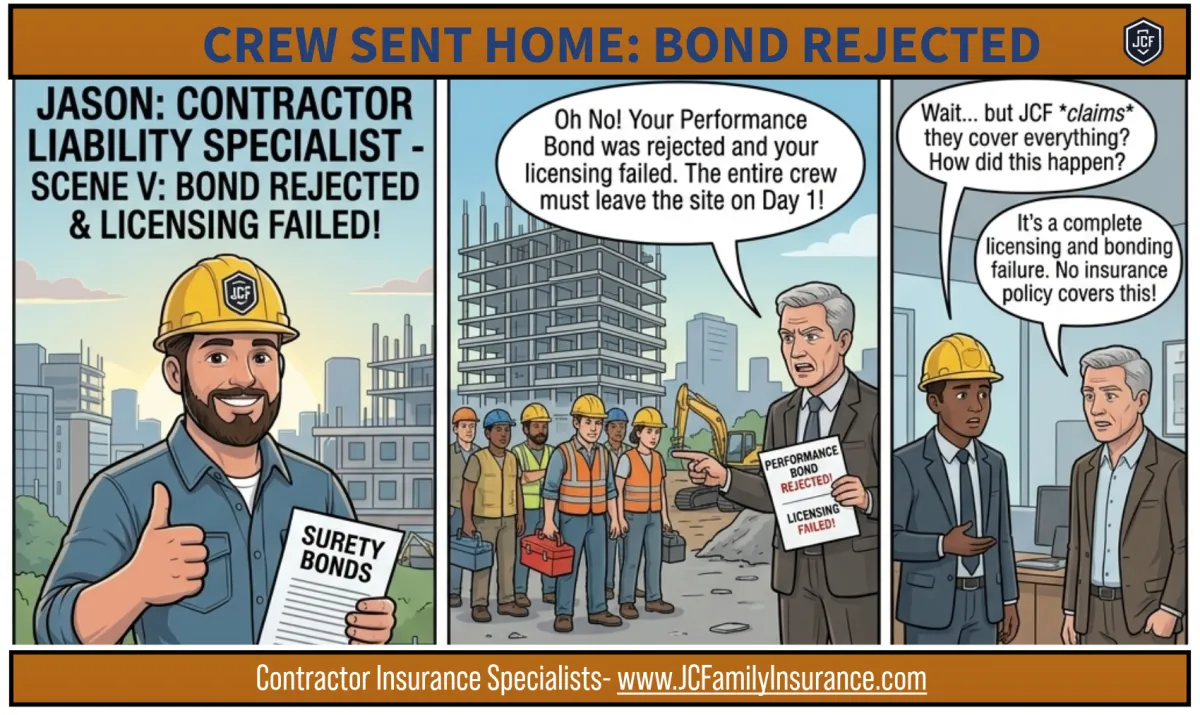
Bond
Rejected
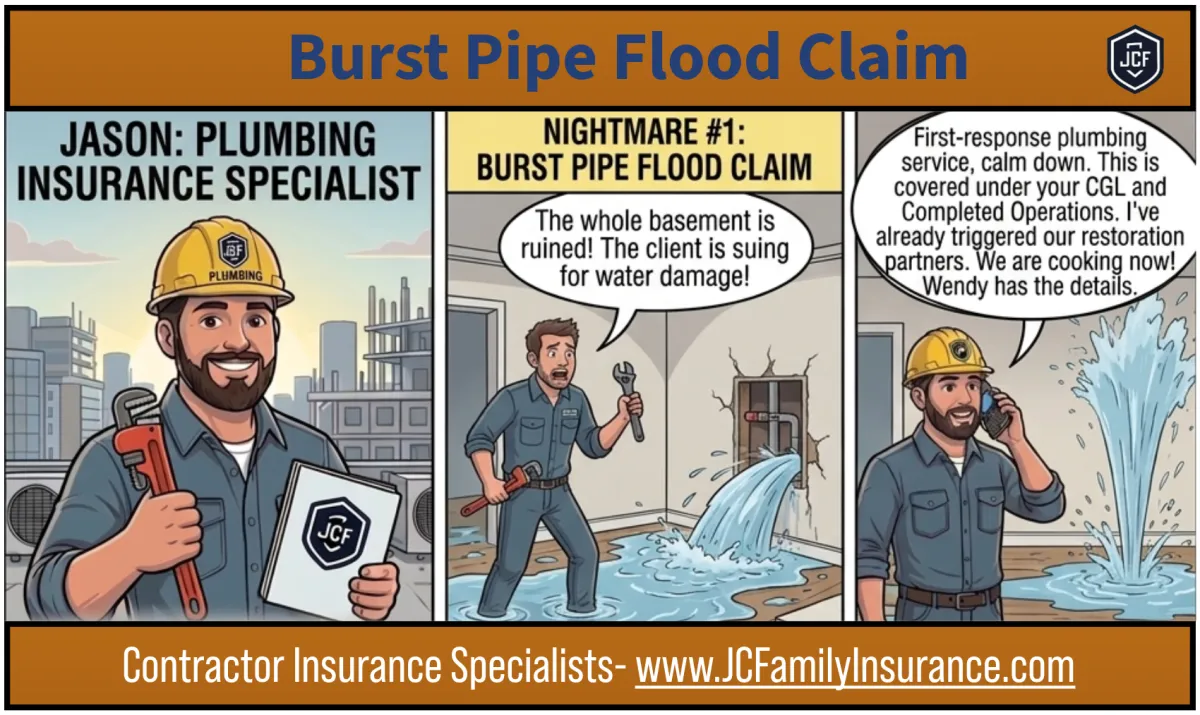
Burst Pipe
Flood Claim
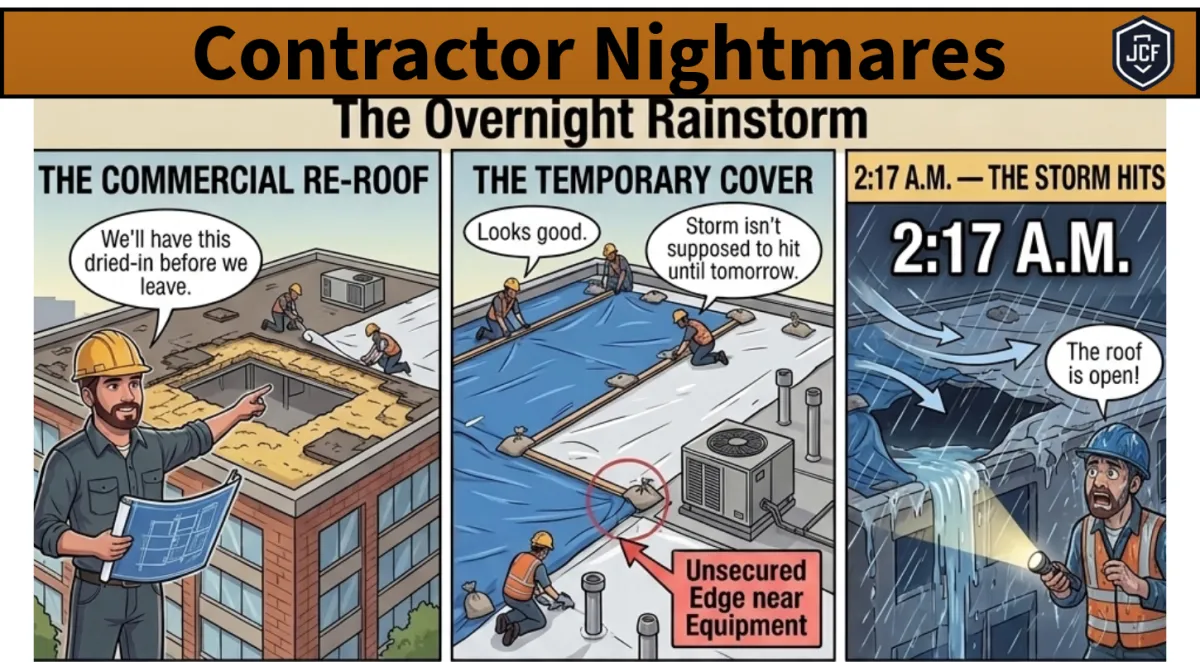
The Overnight Rainstorm
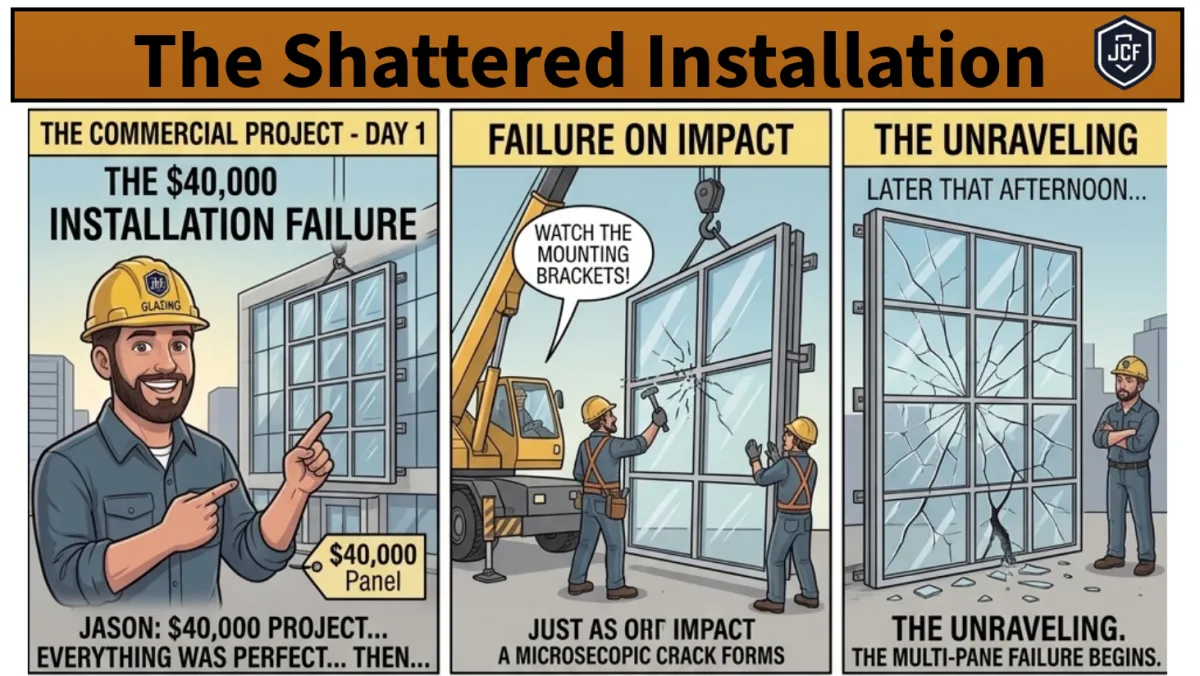
The Shattered
Installation
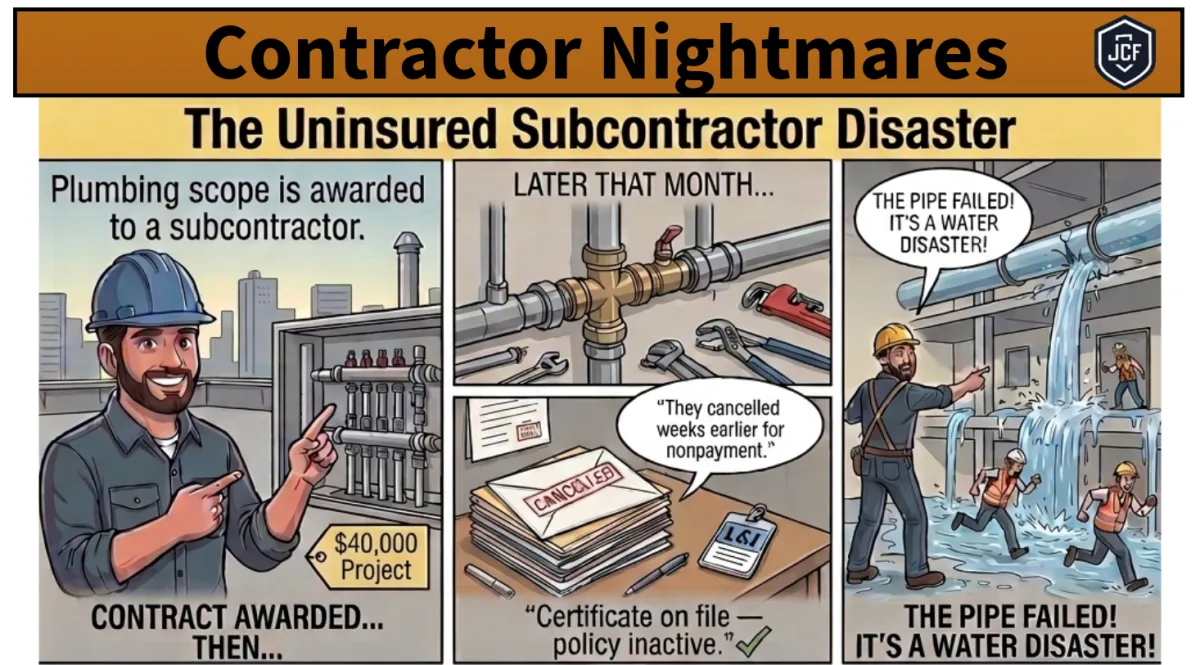
The Uninsured
Subcontrator
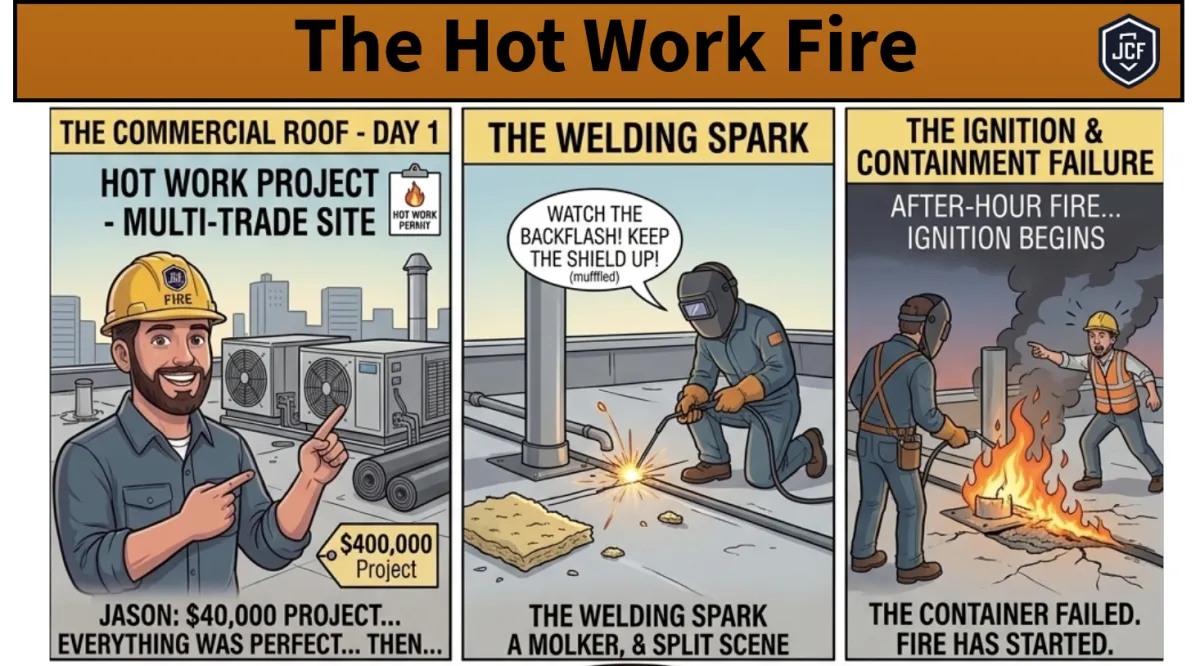
The Hot Work
Fire
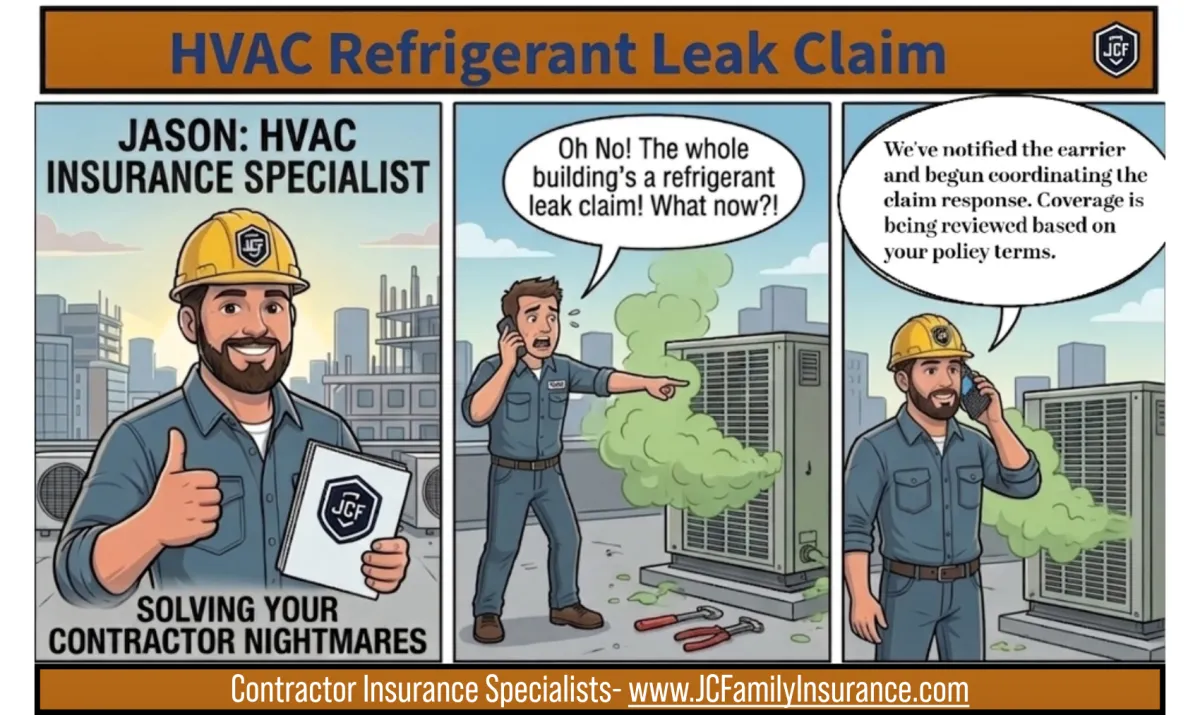
Refrigeration Line
Leak
COMING SOON
COMING SOON
COMING SOON
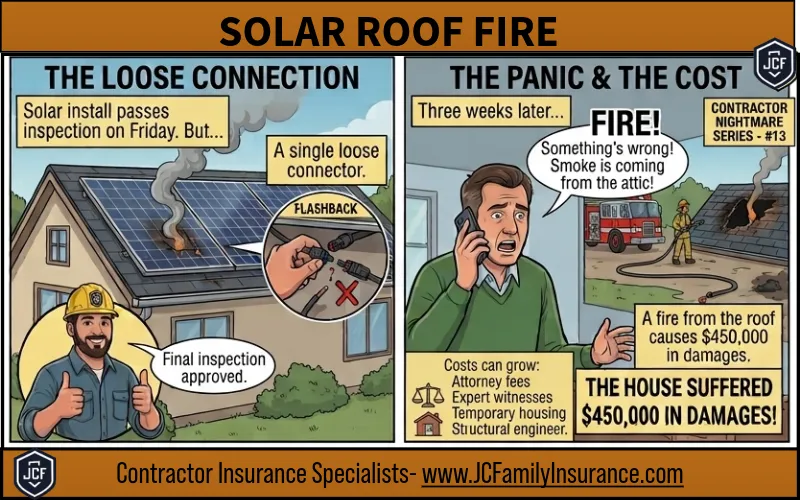
The Loose Connection
COMING SOON
COMING SOON
Find Insurance Resources for Your Contractor Trade
Find Insurance Resources for Your Contractor Trade
Contractor insurance is not one-size-fits-all. Select your trade below to explore common coverage needs, industry-specific risks, and insurance considerations for the work your business performs.
Contractor insurance is not one-size-fits-all. Select your trade below to explore common coverage needs, industry-specific risks, and insurance considerations for the work your business performs.
Explore Contractor Insurance By Trade
Find insurance solutions tailored to your trade. We help contractors across Washington, Oregon, and Idaho secure general liability, commercial auto, workers compensation, inland marine, and contractor bond coverage.
Don't see your trade listed? We insure nearly every licensed contractor trade in Washington, Oregon & Idaho. Get a fast quote today.
Don't see your trade? We insure nearly every licensed construction trade in the Pacific NW - Serving All of Washington, Oregon & Idaho.
Our Partner Insurance Providers
Insurance Markets & Industry Partners



















































































Common Questions Answered
Answers to Frequently Asked Questions
What is contractor excess liability insurance?
Contractor excess liability insurance provides additional limits above specifically scheduled underlying liability policies. It may respond after a qualifying covered claim exhausts the applicable underlying limit.
How much excess liability coverage does a contractor need?
The appropriate limit depends on contract requirements, project size, trade, vehicle exposure and potential claim severity. Contractors commonly encounter requirements for $2 million, $5 million or higher total liability limits.
Which policies can contractor excess liability extend over?
Depending on the policy, excess coverage may apply above scheduled general liability, commercial auto liability and employers liability policies. A policy is not covered merely because the contractor owns it—it generally must be listed in the excess schedule.
Does excess liability cover faulty workmanship?
Excess liability generally does not pay to repair or replace the contractor’s own defective work. It may respond to qualifying resulting bodily injury or damage to other property if the claim is covered by both the underlying and excess policies.
Does excess liability cover tools, equipment or work vehicles?
It generally does not cover physical damage to tools, equipment or vehicles. Tools and equipment typically require inland marine coverage, while vehicles require commercial auto physical damage coverage. Excess may extend liability limits above scheduled commercial auto liability.
How does excess liability insurance work?
The underlying policy generally responds first. If a covered claim exceeds that policy’s limit, the excess policy may provide additional coverage up to its own limit, subject to its terms, exclusions and scheduled underlying policies.
Is excess liability the same as umbrella insurance?
Not necessarily. Both can provide additional liability limits, but their terms and covered underlying policies may differ. An umbrella policy is not automatically broader; the actual policy language determines the coverage.
Does excess liability cover completed operations?
It may provide additional limits for qualifying completed-operations claims when the underlying general liability policy includes that coverage and the excess policy follows or otherwise covers the exposure.
Can excess liability help meet contract requirements?
Yes. It may help a contractor satisfy a contract requiring liability limits above the underlying policy’s limits. The contract, underlying coverage and excess policy must be coordinated correctly.
How much does contractor excess liability insurance cost?
Pricing depends on the requested limit, trade, revenue, payroll, subcontracted work, vehicle exposure, claims history and underlying policies. Higher-risk operations and larger limits generally increase the premium.
Want to work with us?
Get contractor insurance, bonds, and certificates from a local team that understands how your business works.