














General Contractor Nightmare #10:
General Contractor Nightmare #10:
The Uninsured Subcontactor Disaster
The Uninsured
Subcontactor Disaster
-The Certificate Was on File — But the Policy Was Inactive-
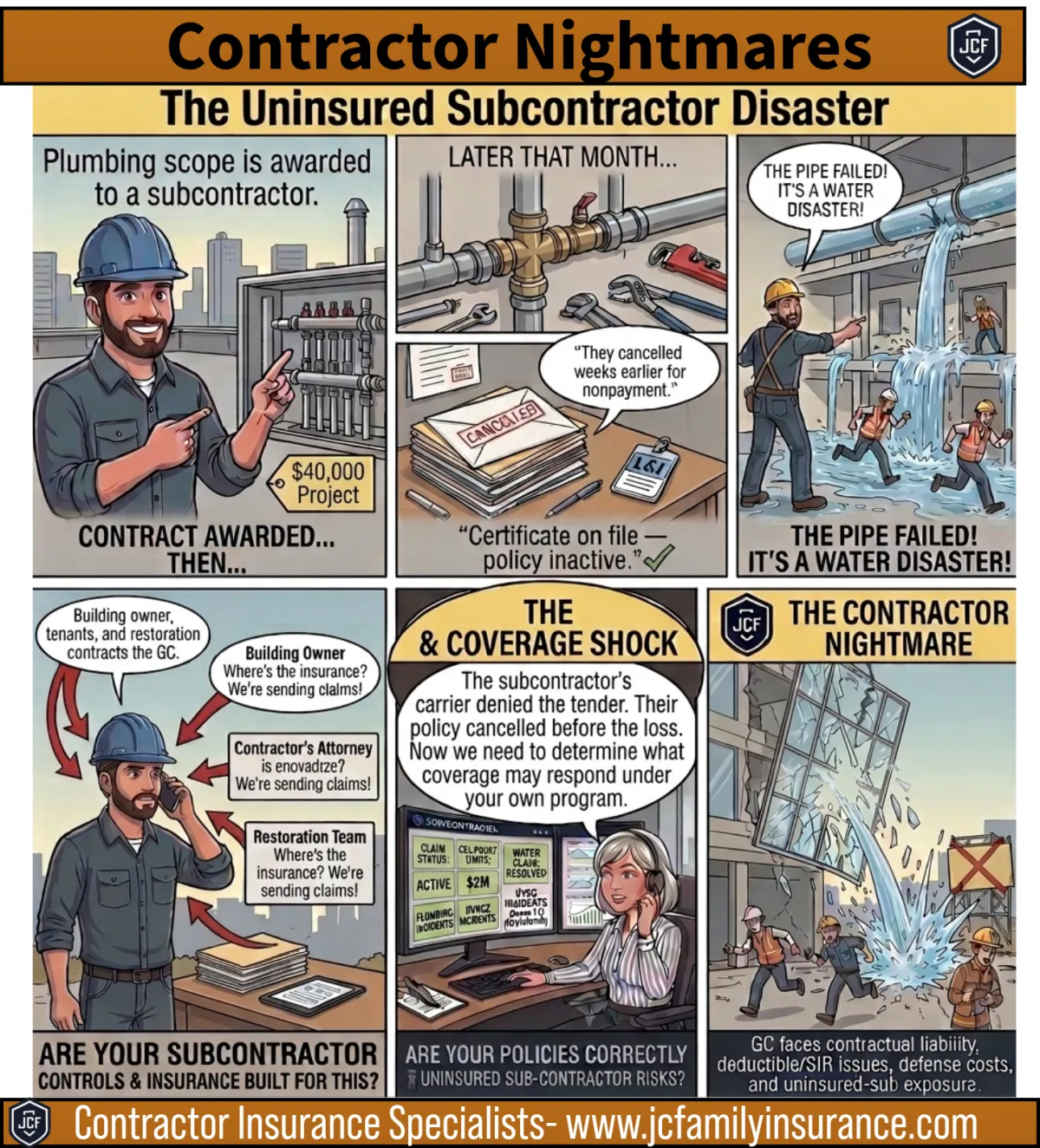
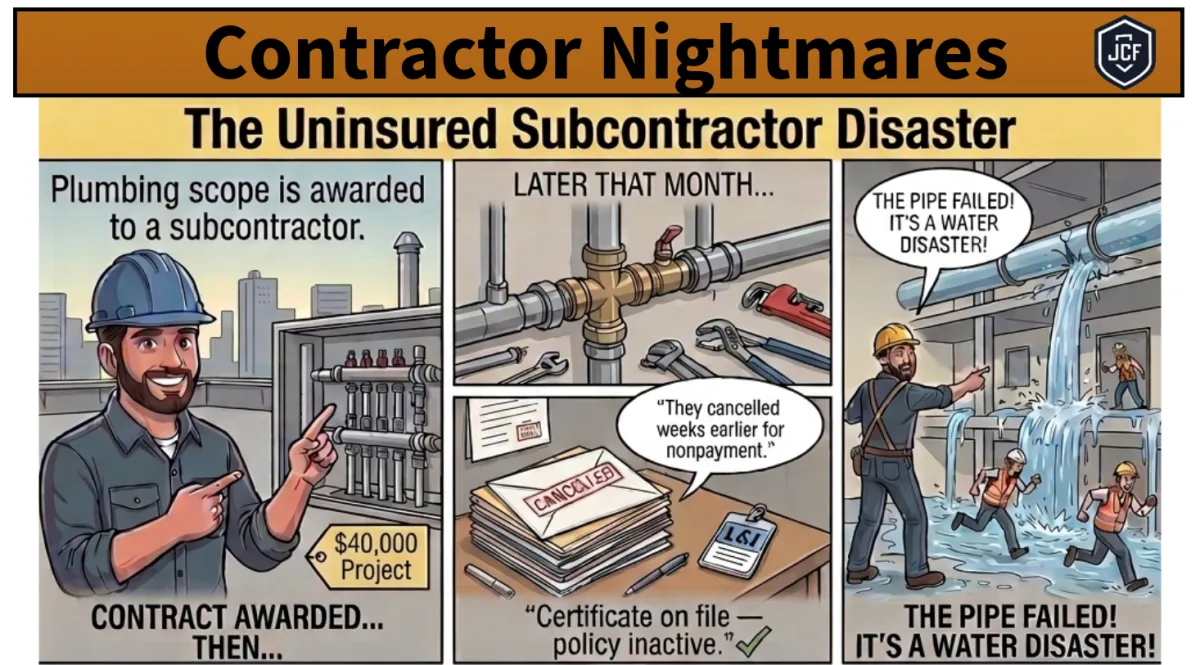
A plumbing scope is awarded to a subcontractor, and insurance documentation is placed in the project file. Weeks later, the subcontractor’s policy is cancelled for nonpayment. Then a plumbing failure causes extensive water damage.
✓ Serving Contractors Across OR, WA & ID
✓ Same-Day Certificates Available
✓ Bonds • GL • Auto • Workers Comp List 1
✓ Built for Contractors Across OR, WA & ID
✓ Existing Policy Review Available
✓ Certificates • Claims • Coverage Analysis
Call or Text: (971) 364-3200
Illustrative scenario for contractor insurance education. Actual coverage depends on
policy terms, endorsements, exclusions, contracts, and the facts of a loss.
Illustrative scenario for contractor insurance education. Actual coverage depends on
policy terms, endorsements, exclusions, contracts, and the facts of a loss.
The Uninsured Subcontractor Disaster
Insurance & Risk Areas That May Be Involved
✔ General Liability Insurance
✔ Subcontractor Liability Exposure
✔ Third-Party Property Damage
✔ Contractual Liability Issues
✔ Additional Insured Considerations
✔ Umbrella / Excess Liability Considerations
What Happened?
A plumbing scope was awarded to a subcontractor, and insurance documentation was collected for the project file. Weeks later, the subcontractor’s policy was cancelled for nonpayment. A subsequent plumbing failure caused extensive water damage, triggering claims and demands from multiple parties connected to the project.
Why It Matters
When a subcontractor causes a major loss but has no active insurance, claims and contractual demands may move upstream. The general contractor can face pressure from the building owner, tenants, restoration companies, attorneys, and other parties while questions arise over contracts, additional insured status, deductibles or self-insured retentions, and the GC’s own coverage.
How JC Family Insurance Helps
We help general contractors evaluate insurance programs around the work they actually perform and the subcontractors they hire. That includes reviewing subcontractor exposure, certificate procedures, additional insured requirements, policy options, and potential coverage gaps before a major loss occurs.
Is Your General Contractor Insurance Built for Subcontractor Risk?
Is Your General Contractor Insurance Built for Subcontractor Risk?
Explore More Contractor Nightmares
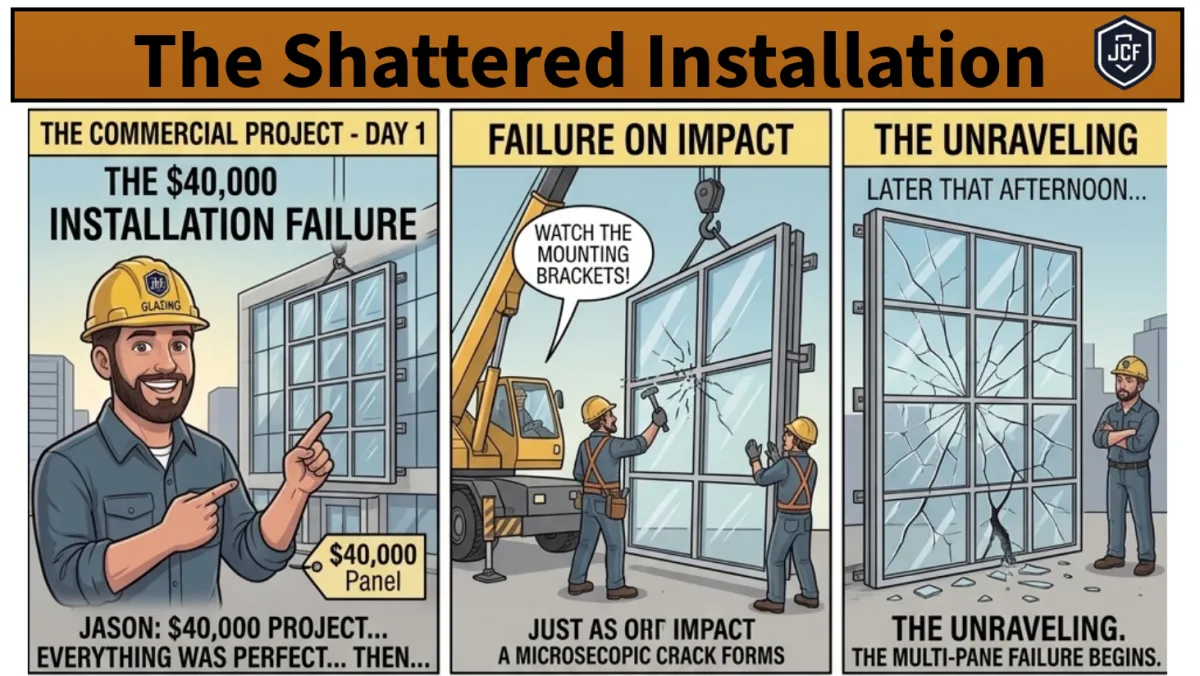
A Certificate of Insurance Is Not a Coverage Guarantee
A certificate of insurance provides evidence of insurance information at a point in time. It does not guarantee that a policy remains active, change the policy terms or automatically create additional insured coverage.
Learn how to read policy dates, limits, certificate holder information, and other common sections in our -
How to Read a Certificate of Insurance guide.
Questions General Contractors Should Ask About Subcontractors
Was the Subcontractor’s Policy Active?
Coverage status on the actual date of loss can become a critical issue. List 1Was the GC an Additional Insured?
A certificate alone does not necessarily establish additional insured status.What Does the Contract Require?
Indemnification and insurance provisions may affect how demands develop.Could the GC’s Own Policy Be Involved?
Response depends on actual policy language, exclusions, endorsements, facts, and applicable contracts.Were Completed Operations Requirements Addressed?
Some losses arise after a subcontractor has completed its work. Applicable coverage
depends on policy language, endorsements, contracts, and the facts of the loss.
Was Coverage Reverified During the Project?
Long-running projects may continue beyond a subcontractor’s policy expiration date,
making ongoing insurance tracking important.
The Claims Can Come From Multiple Directions
Building Owner Claim
PROPERTY
Damage to the building
Repair & reconstruction costs
Loss of use claims
Deductible recovery demands
Tenant Claims
BUSINESS
Damaged business property
Business interruption allegations
Temporary relocation costs
Lost income allegations
Restoration Costs
MITIGATION
Emergency water extraction
Drying & dehumidification
Mold prevention & remediation
Demolition & reconstruction
Contractual Demands
CONTRACT
Indemnification demands
Defense obligations
Breach of contract allegations
Insurance requirement disputes
One failed subcontractor policy can turn one construction loss into multiple claims, demands, and coverage questions.
A Certificate of Insurance Is Not a Coverage Guarantee
A certificate of insurance provides evidence of insurance information at a point in time. It does not guarantee that a policy remains active, change the policy terms or automatically create additional insured coverage.
Learn how to read policy dates, limits, certificate holder information, and other common sections in our -
How to Read a Certificate of Insurance guide.
Questions General Contractors Should Ask About Subcontractors
Was the Subcontractor’s Policy Active?
Coverage status on the actual date of loss can become a critical issue. List 1Was the GC an Additional Insured?
A certificate alone does not necessarily establish additional insured status.What Does the Contract Require?
Indemnification and insurance provisions may affect how demands develop.Could the GC’s Own Policy Be Involved?
Response depends on actual policy language, exclusions, endorsements, facts, and applicable contracts.Were Completed Operations Requirements Addressed?
Some losses arise after a subcontractor has completed its work. Applicable coverage depends on policy language, endorsements, contracts, and the facts of the loss.
Was Coverage Reverified During the Project?
Long-running projects may continue beyond a subcontractor’s policy expiration date,
making ongoing insurance tracking important.
The Claims Can Come From Multiple Directions
Building Owner Claim
PROPERTY
Damage to the building
Repair & reconstruction costs
Loss of use claims
Deductible recovery demands
Tenant Claims
BUSINESS
Damaged business property
Business interruption allegations
Temporary relocation costs
Lost income allegations
Restoration Costs
MITIGATION
Emergency water extraction
Drying & dehumidification
Mold prevention & remediation
Demolition & reconstruction
Contractual Demands
CONTRACT
Indemnification demands
Defense obligations
Breach of contract allegations
Insurance requirement disputes
One failed subcontractor policy can turn one construction loss into multiple claims, demands, and coverage questions.
WHEN THE CLAIM ROLLS UPHILL
When a subcontractor cannot respond to a loss, claims and contractual demands may shift toward other parties connected to the project. The general contractor can become a central target for tenders, defense demands, recovery efforts, and coverage disputes.
SUBCONTRACTOR
Policy Cancelled / Denied

GENERAL CONTRACTOR
Claims • Demands • Defense Costs

BUILDING OWNER
Property Damage
Loss of Use
TENANTS
Contents
Income
RESTORATION
Emergency Work
Cleanup Costs
ATTORNEYS & INSURERS
Tenders • Demands • Recovery • Coverage Disputes
WHEN THE CLAIM ROLLS UPHILL
When a subcontractor cannot respond to a loss, claims and contractual demands may shift toward other parties connected to the project. The general contractor can become a central target for tenders, defense demands, recovery efforts, and coverage disputes.
SUBCONTRACTOR
Policy Cancelled / Denied
GENERAL CONTRACTOR
Claims • Demands • Defense Costs
BUILDING OWNER
Property Damage
Loss of Use
TENANTS
Contents
Income
RESTORATION
Emergency Work
Cleanup Costs
ATTORNEYS & INSURERS
Tenders • Demands • Recovery • Coverage Disputes
Explore Our Contractor Nightmares Series
Common Risks Contractors Face — Real-World Claim Scenarios Explained in Our Contractor Nightmares Series
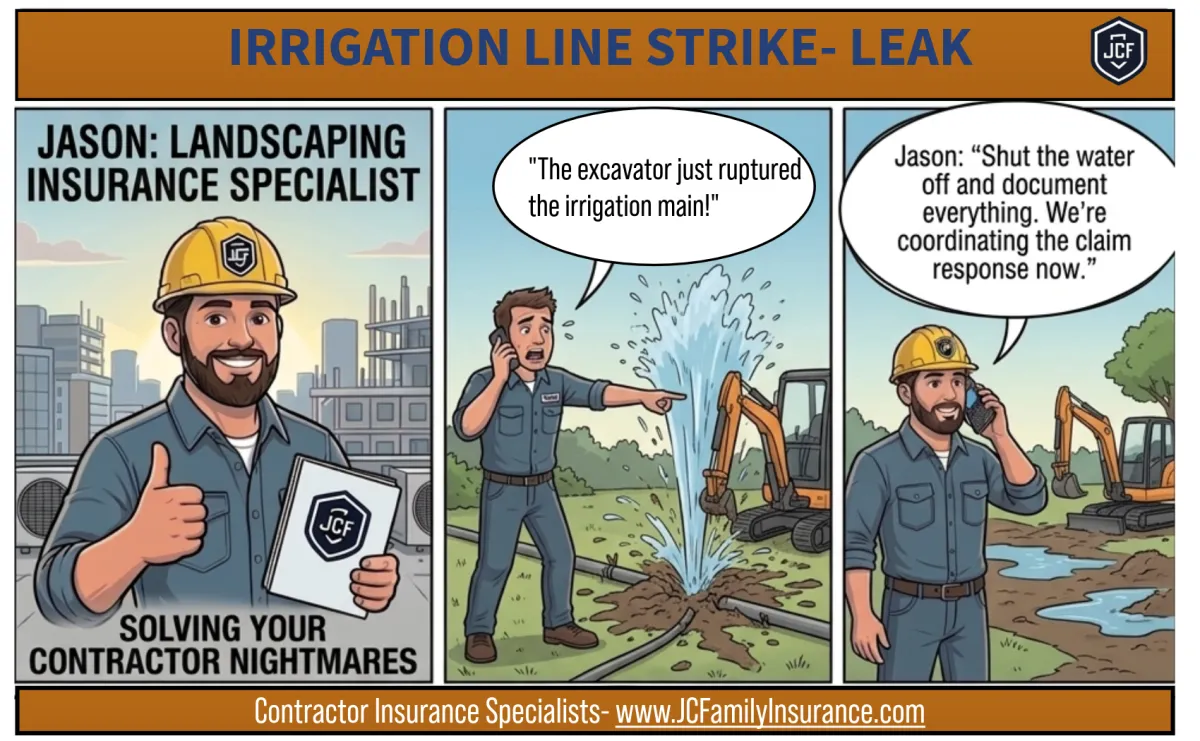
Irrigation Line
Strike
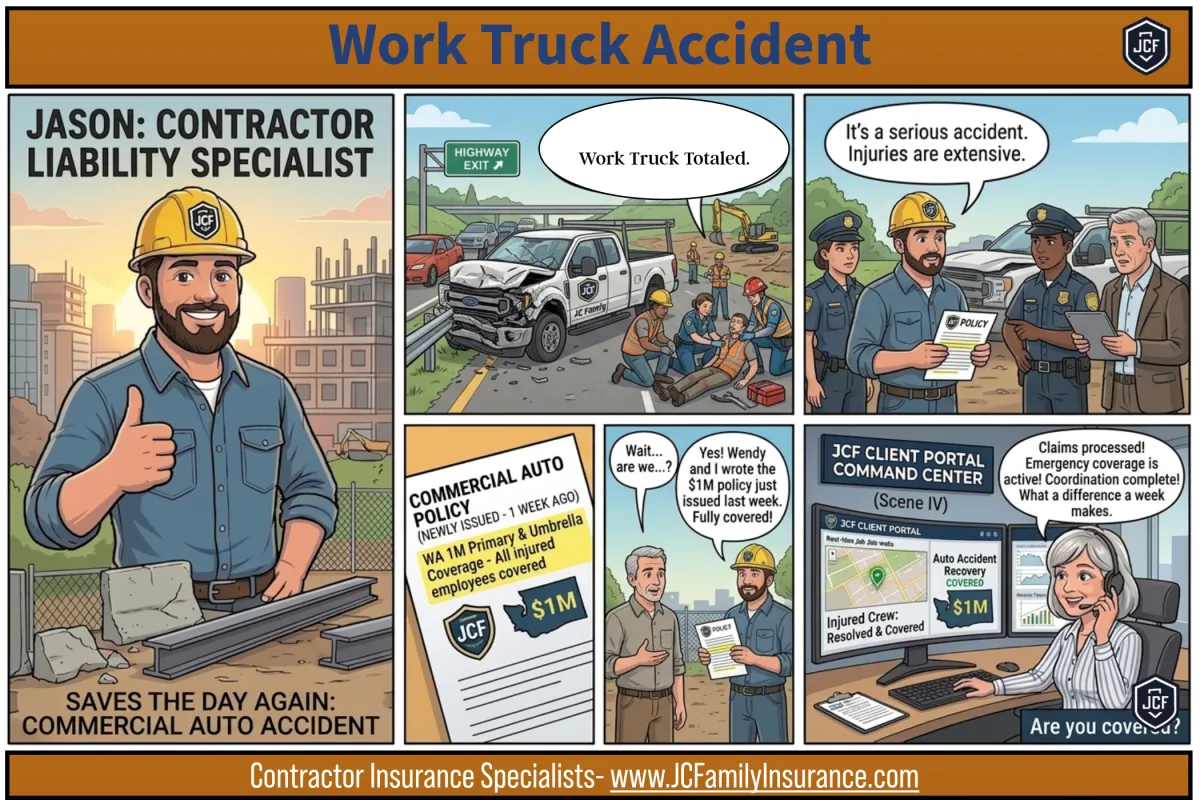
Work Truck
Accident
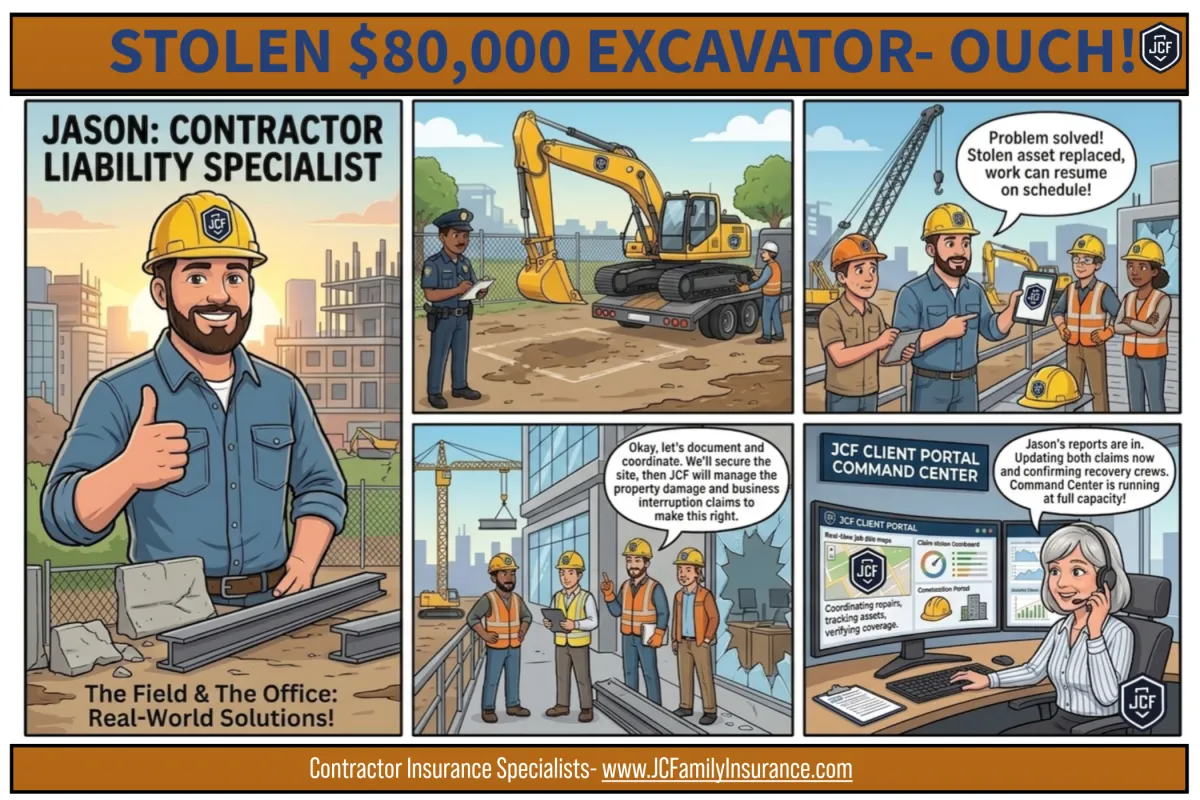
Stolen
Excavator
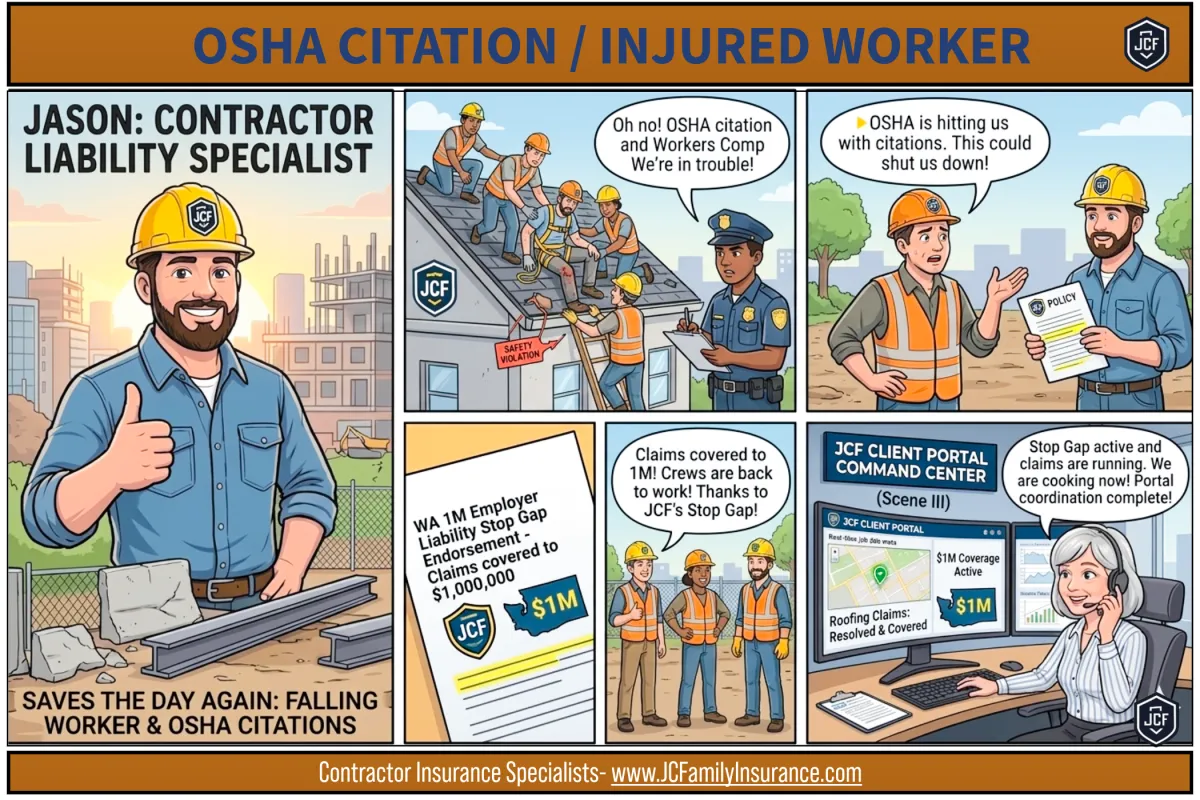
OSHA
Citation
BAD
Certificate
Bond
Rejected
Burst Pipe
Flood Claim
The Overnight Rainstorm
The Shattered
Installation
The Uninsured
Subcontrator
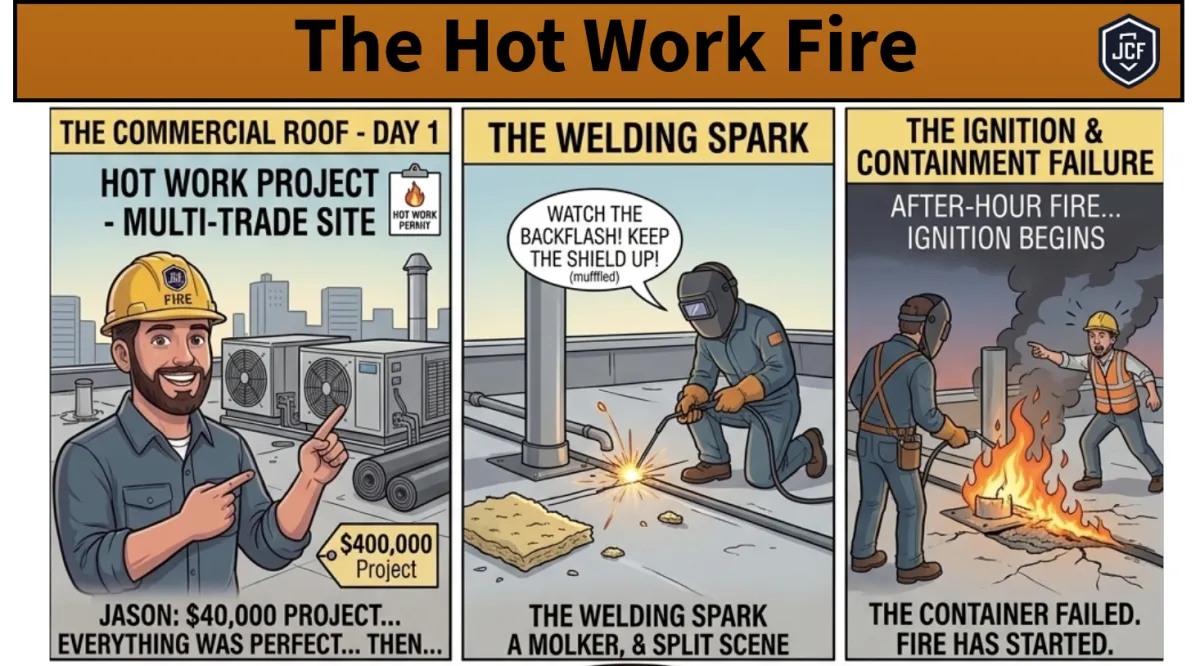
The Hot Work
Fire
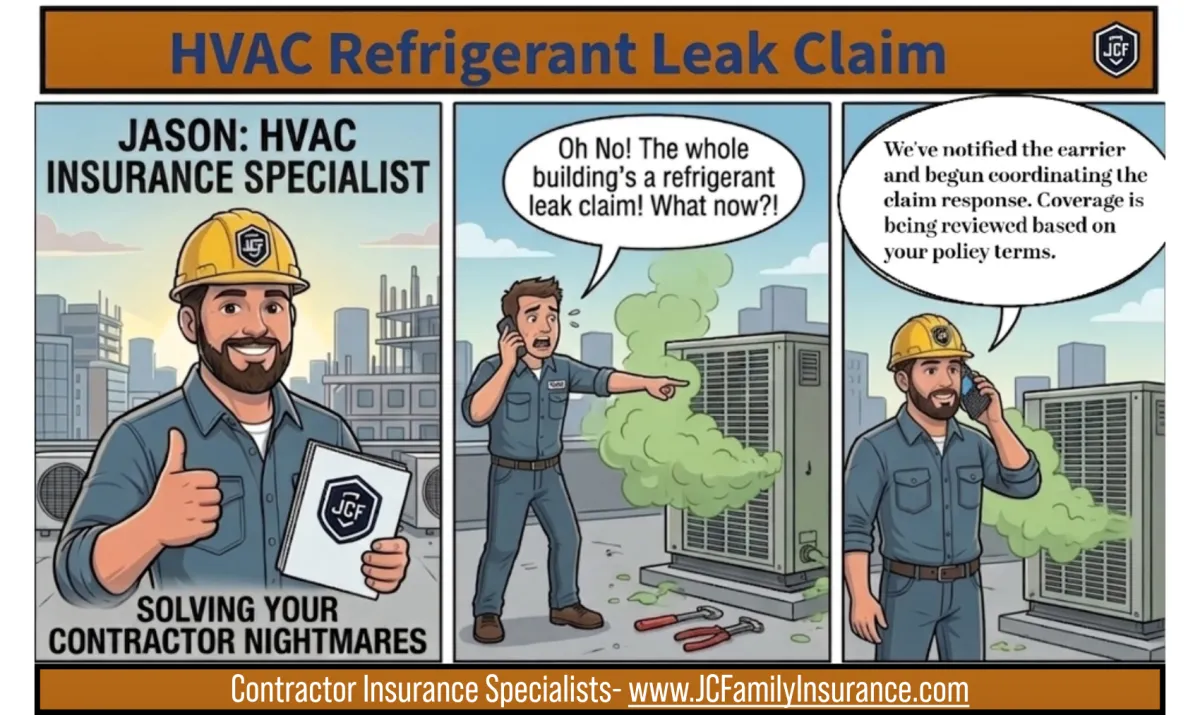
Refrigeration Line
Leak
COMING SOON
COMING SOON
COMING SOON
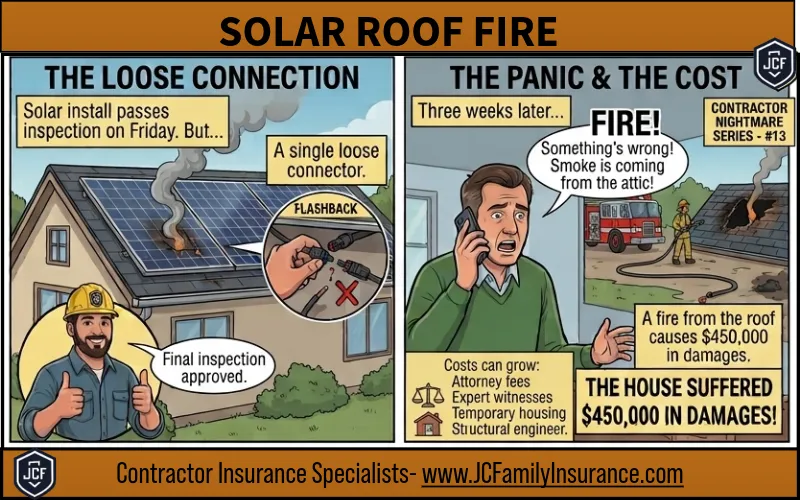
The Loose Connection
COMING SOON
COMING SOON
Could One Uninsured Subcontractor Put Your Business at Risk?
Could One Uninsured Subcontractor Put Your Business at Risk?
Common questions answered
Answers to Frequently Asked Questions
What happens if a subcontractor causes damage without insurance?
If a subcontractor causes property damage or bodily injury without active insurance, affected parties may pursue recovery from the subcontractor and potentially other parties involved in the project. The outcome depends on the facts, contracts, insurance policies, and applicable law.
Does a certificate of insurance prove a subcontractor is currently insured?
A certificate of insurance provides evidence of insurance information at a point in time. It does not guarantee that coverage remains active or change the terms of the underlying policy.
What if a subcontractor’s insurance is cancelled after providing a COI?
If coverage is cancelled before a loss occurs, the subcontractor may not have active coverage for that later event. Whether other insurance responds depends on the policies, endorsements, contracts, timing, and facts involved.
Is a general contractor responsible for an uninsured subcontractor?
Not automatically in every situation. However, a general contractor may face claims, contractual demands, defense costs, or other exposure depending on the project relationships, allegations, contracts, and circumstances of the loss.
Should general contractors track subcontractor insurance expiration dates?
Tracking expiration dates can be an important part of subcontractor insurance controls, especially on longer projects or ongoing relationships where coverage may expire or change during the work.
What insurance should a general contractor carry when using subcontractors?
Needs vary by operation, but coverage may include commercial general liability, commercial auto, workers’ compensation where applicable, umbrella or excess liability, builders risk, contractor equipment coverage, and other specialized policies.
Does JC Family Insurance work with general contractors using subcontractors?
Yes. JC Family Insurance helps contractors in Washington, Oregon, and Idaho compare insurance options based on their actual operations, including subcontractor use, project types, payroll, vehicles, equipment, and contract requirements.
Does a COI make a general contractor an additional insured?
Not by itself. Additional insured status generally depends on the underlying policy, applicable endorsement, and potentially written contract requirements.
Want to work with us?
Get contractor insurance, bonds, and certificates from a local team that understands how your business works.
CONTRACTOR INSURANCE
INSURANCE BY TRADE
CONTRACTOR RESOURCES
TOOLS & POLICY CENTER
ABOUT JCF
GET HELP
WA · OR · ID
CONTACT INFORMATION
(971) 412-4469
9020 SW Washington Sq Rd Portland, OR 97223
CONNECT WITH JCFAMILY INSURANCE
FOLLOW & REVIEW US ONLINE